 Save
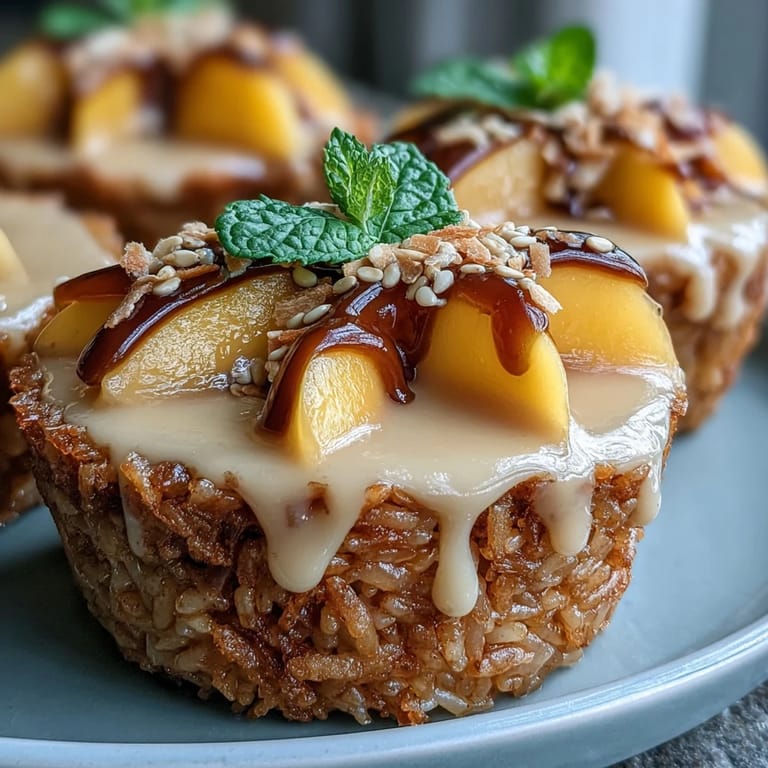
Save The smell of sweet mangoes instantly takes me back to the balmy market evenings I once spent in Chiang Mai, not as a traveler on a grand adventure, but simply trying to navigate the local fruit stalls as a clueless foreigner. My first attempts at making mango sticky rice at home were anything but elegant: coconut milk splattered across my stovetop and overcooked rice that clumped into a single mass. It wasn’t frustration though, but laughter that filled my kitchen those nights. This Thai-inspired take, served in handheld cups, started as a practical solution for family gatherings when I worried about serving this treat without making a mess. Now, these creamy coconut-rice cups appear whenever I need a low-stress showstopper.
One summer, my cousin arrived unannounced with an armful of overripe mangoes and a story about his failed attempt at street food in Bangkok. We ended up spooning sticky rice and coconut sauce into mismatched teacups, swapping travel misadventures and getting coconut milk on everything except the floor. Classic us.
Ingredients
- Glutinous (sticky) rice: Essential for that signature chewy contrast—give it a gentle rinse until the water runs clear for the best texture.
- Coconut milk (full fat): Don’t use the low-fat version; trust me, only full fat delivers that dreamy, velvet finish.
- Granulated sugar: I once tried brown sugar, but it muddied the flavors—plain white sugar keeps the coconut pure and fragrant.
- Salt: Just a pinch balances the sweetness and lets the coconut flavor shine through.
- Ripe mangoes: Choose ones that are fragrant and give slightly when pressed; underripe mangoes just don’t sing in this dish.
- Toasted sesame seeds or mung beans (optional): Adding a nutty crunch on top almost feels like a stroke of genius every time.
- Fresh mint leaves (optional): They brighten up the entire dessert with an unexpected burst of color and aroma.
Tired of Takeout? 🥡
Get 10 meals you can make faster than delivery arrives. Seriously.
One email. No spam. Unsubscribe anytime.
Instructions
- Prep the sticky rice:
- Rinse the rice under cool water until it runs almost clear, enjoying the quiet rhythm of the grains swirling to life. If you have an extra hour, let it soak—it’s worth every minute for that extra tenderness.
- Cook the rice:
- Add the rice and fresh water to a small saucepan, then bring it to a gentle simmer. Keep the lid on tight and cook over low heat for 15-20 minutes, resisting the temptation to peek so all the steam works its magic.
- Let it rest:
- Off the heat, let the pot sit covered for 10 minutes; the rice finishes cooking in its own steamy embrace.
- Make the coconut sauce:
- Combine coconut milk, sugar, and salt in another saucepan, stirring gently over medium heat until the sugar melts away. Avoid boiling—just enough warmth to make your kitchen smell incredible.
- Reserve & combine:
- Carefully set aside about a third of the coconut sauce for drizzling later. Pour the remaining sauce into your warm rice, stirring gently so every grain glistens and soaks up coconut goodness.
- Final steam:
- Cover the rice again and let it absorb for another 10 minutes; this is when the flavors meld together.
- Slice and assemble:
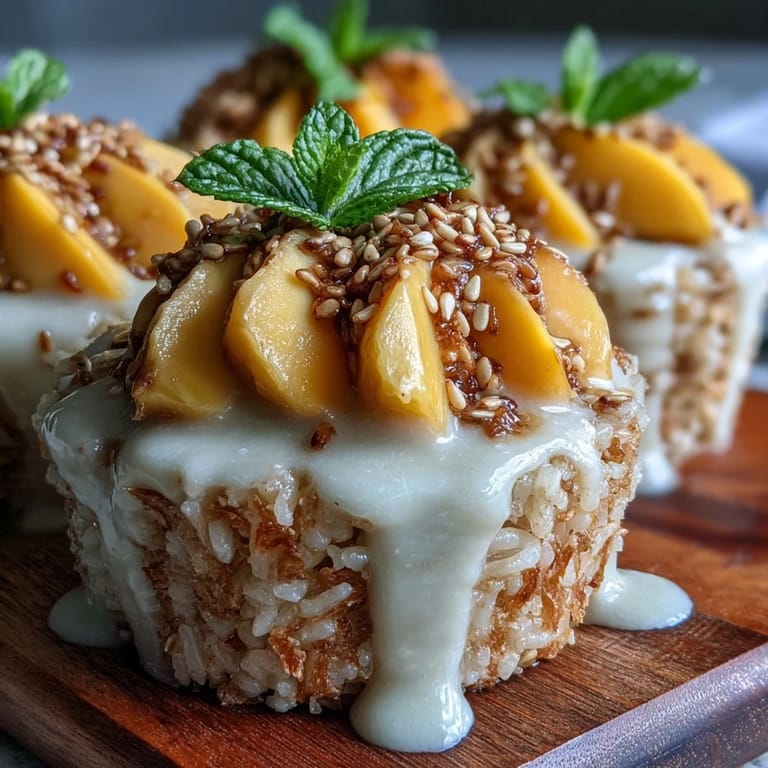
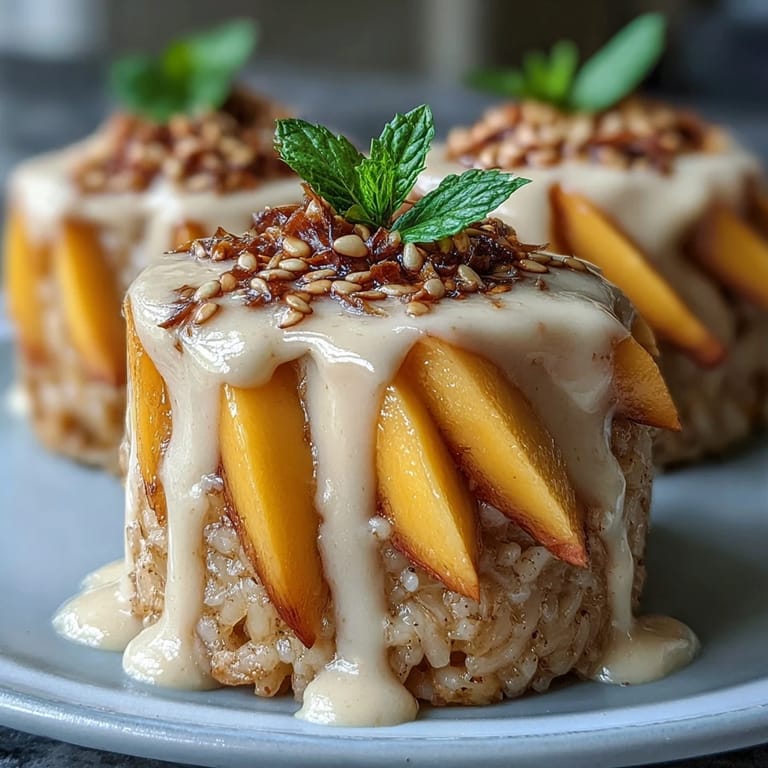
- Peel and slice the mangoes into thin, sunny wedges. Scoop sticky rice into dessert cups (about half a cup each), crown with mango, and finish with reserved coconut sauce.
- Garnish & serve:
- Top with toasted sesame seeds or mung beans, and pop on a sprig of mint if you're feeling fancy. Serve warm or at room temperature—the rice should be softly yielding, the fruit cool and juicy.
 Save
Save  Save
Save The first time I brought these to a picnic, even the pickiest eaters took their cups home—mint leaf still perched on top. Somehow, sharing sticky rice out in the open air gave the dessert a new kind of joy.
Serving Ideas for Every Occasion
I love setting out a big tray of these cups for birthday parties with tiny forks so everyone can mingle—no mess, no awkward cutting. You can even offer a bowl of extra toppings for a DIY garnish bar when you want to keep things playful.
Make-Ahead and Storage Secrets
If you make the sticky rice ahead, keep it covered so it doesn’t dry out. Assemble just before serving, but I promise, a quick zap in the microwave brings the rice right back to life.
Let’s Talk Mangoes
Don’t be shy to sniff every mango at the market: the ripest ones will smell amazing and feel slightly soft. Totally okay to swap in pineapple or lychee if mangoes are out of season, but nothing rivals the pure sunshine flavor of the real thing.
- Taste test your mangoes before slicing to double-check sweetness.
- For neat cubes, cut close to the pit, then score and flip inside out.
- Handle the mango gently, as it bruises easily.
 Save
Save 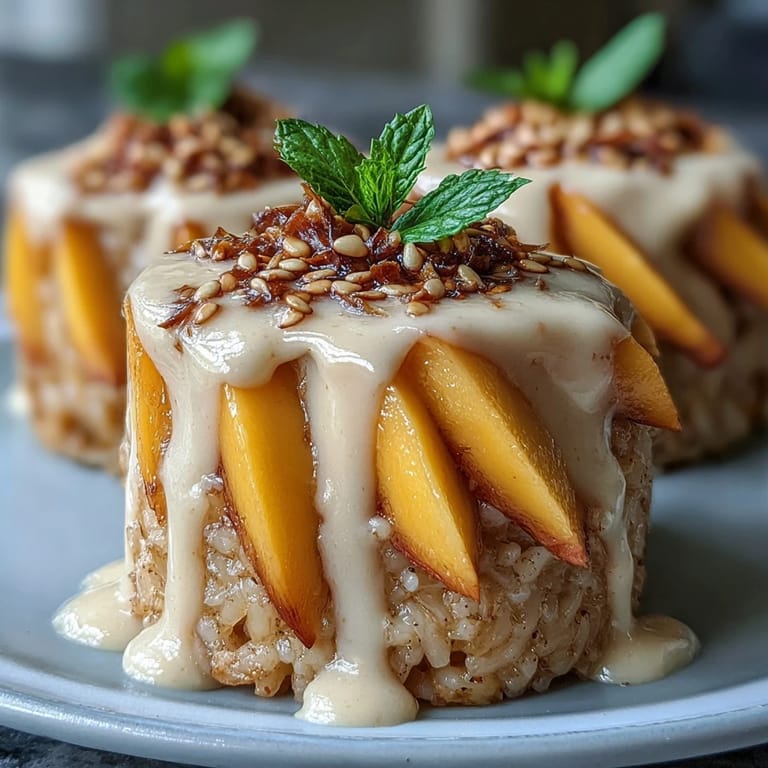 Save
Save Whether you’re celebrating big or keeping it quiet, mango sticky rice cups deliver comfort alongside a burst of tropical flavor. Here’s to every bite being just as memorable as the moment itself.
Common Questions
- → How should I cook glutinous rice for the right texture?
Rinse until water runs clear and soak for at least 1 hour if possible. Cook by simmering with measured water until absorbed, or steam for a more traditional chewy texture. Let it rest covered for 10 minutes before folding in the coconut sauce.
- → Can I use light coconut milk instead of full-fat?
Light coconut milk will work but yields a thinner, less rich sauce. For creamier, silkier rice flavor use full-fat coconut milk or a mix of full-fat and light to balance richness and calories.
- → How do I choose ripe mangoes for the best flavor?
Look for mangoes that yield slightly to gentle pressure and emit a sweet, fruity aroma at the stem. Avoid overly soft or fibrous fruit; Ataulfo/Honey or Kent varieties are excellent for smooth, sweet slices.
- → Can this be prepared ahead and how should I store it?
Yes. Prepare the rice and coconut sauce, assemble up to a few hours ahead, and refrigerate covered. Bring to room temperature or gently warm before serving; reserve some sauce to drizzle fresh before serving to restore moisture.
- → What garnishes or substitutions work well?
Toasted sesame seeds, toasted mung beans, or a few mint leaves add texture and brightness. For fruit swaps, try mango alternatives like pineapple or passion fruit for a tropical twist.
- → Is regular long-grain rice an acceptable substitute?
Regular long-grain rice won’t develop the same sticky texture as glutinous rice. Use true glutinous (sweet) rice for the characteristic chew and clumping; short-grain rice may approximate the texture better than long-grain.