 Save
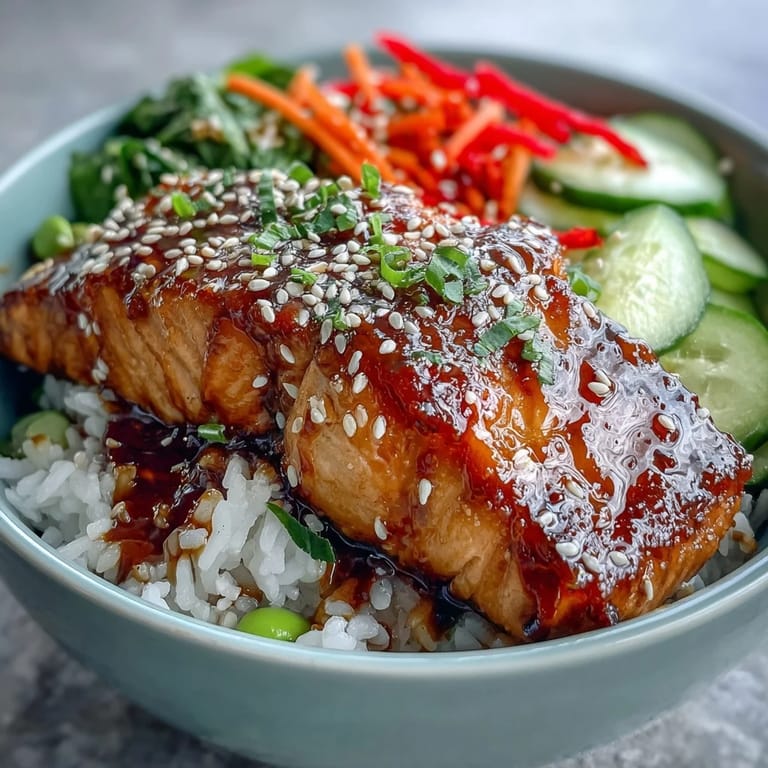
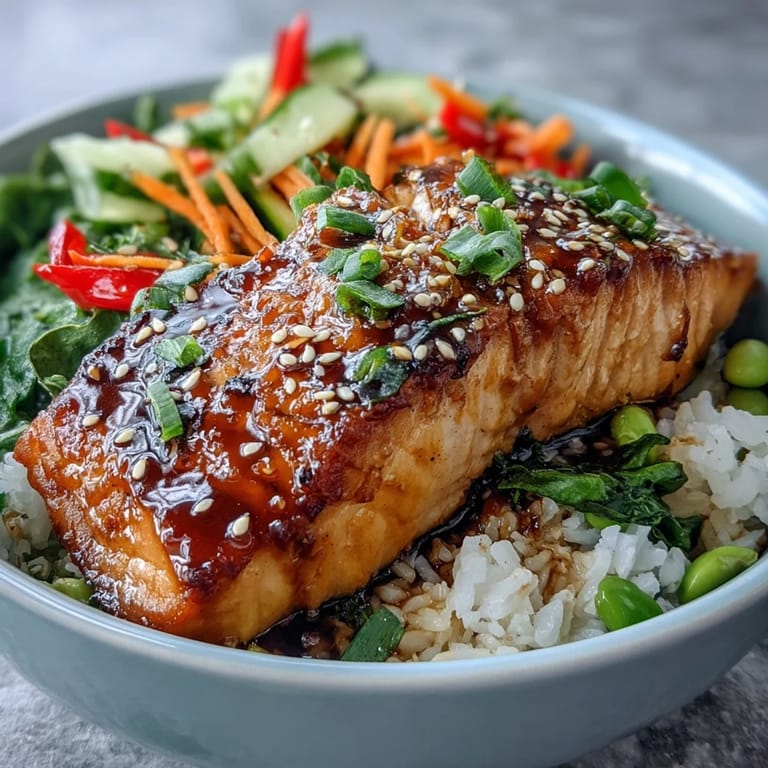
Save Last summer, I was standing in my kitchen on a Tuesday evening, staring at a beautiful salmon fillet and wondering why takeout always tasted so much better than anything I made at home. Then I realized it wasn't the salmon itself—it was the glaze, that glossy coating that made every bite sing with ginger and soy. That night, I mixed together what I had in my pantry and created this bowl, and suddenly I understood why those restaurants charged what they did. Now I make it constantly, and honestly, mine tastes better because it's warm and the rice is still steaming.
I made this for my friend Marcus one evening, and he showed up starving after a long shift. When he took that first bite, he just went quiet, which is not his style at all. He asked me what restaurant it was from, and when I told him I made it, he looked genuinely shocked—the kind of shocked that made me feel like I'd actually accomplished something in the kitchen. He's asked me to make it every time he visits now, which is both flattering and slightly exhausting, but in the best way.
Ingredients
- Salmon fillets (4 pieces, about 150g each): Look for fillets with bright color and a firm texture; they're the star, so choose quality fish that smells ocean-fresh, not fishy.
- Soy sauce (3 tbsp): This is your umami backbone, so don't skimp on decent soy sauce—I learned the hard way that the difference between good and mediocre is noticeable.
- Honey (2 tbsp): It balances the saltiness and creates that glossy, caramelized finish when the glaze hits the heat.
- Fresh ginger, grated (1 tbsp): Always use fresh ginger, never the bottled stuff; the bite and warmth are completely different animals.
- Garlic, minced (2 cloves): Mince it finely so it distributes evenly through the glaze rather than leaving chunks.
- Rice vinegar (1 tbsp): This adds brightness and cuts through the richness without the sharp bite of regular vinegar.
- Sesame oil (1 tbsp): Use toasted sesame oil and measure it carefully because a little goes a long way—it's potent in the best way.
- Cornstarch (1 tsp, optional): Only use this if you want a thicker, more coating-like glaze; without it, you get more of a light glaze that pools around the bowl.
- Jasmine rice (2 cups uncooked): Jasmine rice has a subtle floral quality that pairs beautifully with the Asian flavors, but sushi rice works too.
- Carrot, julienned (1 cup): Cut them into thin, even matchsticks so they stay crisp and look intentional on the plate.
- Cucumber, julienned (1 cup): English cucumbers have fewer seeds, so they're better for this than the watery regular kind.
- Red bell pepper, julienned (1 cup): The sweetness of red peppers balances the salty glaze and adds visual pop.
- Edamame, shelled and cooked (1 cup): Frozen edamame work perfectly fine and are actually fresher than fresh since they're frozen at peak ripeness.
- Toasted sesame seeds (2 tbsp): Toast your own if possible because they taste nuttier and more alive than pre-toasted versions.
- Scallions, thinly sliced (2): Use both the white and green parts for a range of flavors, with the greens going on top as a finishing touch.
- Lime wedges: A squeeze of fresh lime over everything at the end lifts the entire bowl and adds brightness.
Tired of Takeout? 🥡
Get 10 meals you can make faster than delivery arrives. Seriously.
One email. No spam. Unsubscribe anytime.
Instructions
- Prepare your rice the right way:
- Rinse the rice under cold water, swirling it gently with your fingers until the water runs clear—this removes excess starch and keeps grains from clumping together. Combine the rinsed rice with water in a saucepan, bring it to a boil, then immediately reduce the heat to low, cover it with a lid, and let it simmer undisturbed for 15 minutes.
- Let the rice rest and breathe:
- Turn off the heat and leave the rice covered for 10 minutes without peeking; this final resting period allows the grains to finish cooking gently with the residual steam. When you remove the lid, each grain should be separate and fluffy, not mushy.
- Mix the magic glaze:
- In a small bowl, whisk together soy sauce, honey, fresh grated ginger, minced garlic, rice vinegar, and sesame oil until the honey dissolves completely. If you're using cornstarch for a thicker glaze, dissolve it in 1 tablespoon of water first, then stir it in smoothly.
- Get the oven ready and prep salmon:
- Preheat your oven to 200°C (400°F) and line a baking sheet with parchment paper so the salmon doesn't stick. Pat the salmon fillets dry with paper towels—moisture is the enemy of a good glaze, so this step actually matters.
- Brush salmon with the glaze:
- Place salmon fillets on the prepared sheet and brush them generously with the glaze, making sure to coat both the top and sides. Reserve about 2 tablespoons of glaze to reduce down later and drizzle over the finished bowls.
- Bake until golden and flaky:
- Slide the salmon into the oven and bake for 12 to 14 minutes; you'll know it's done when the flesh flakes easily with a fork and looks opaque throughout. The salmon will continue cooking slightly after you remove it, so don't overdo it or it'll dry out.
- Reduce the leftover glaze:
- While the salmon bakes, pour the reserved glaze into a small saucepan and bring it to a gentle simmer over medium heat. If you used cornstarch, it will thicken noticeably within a minute or two; if not, you'll just warm it through and concentrate the flavors slightly.
- Prep your vegetables with intention:
- Julienne your carrots, cucumber, and red bell pepper into thin, even matchsticks—the uniformity makes the bowl look polished and helps everything cook and soften at the same rate. I like to use a sharp knife and a cutting board, moving carefully so each vegetable strip is consistent.
- Assemble your bowl like you mean it:
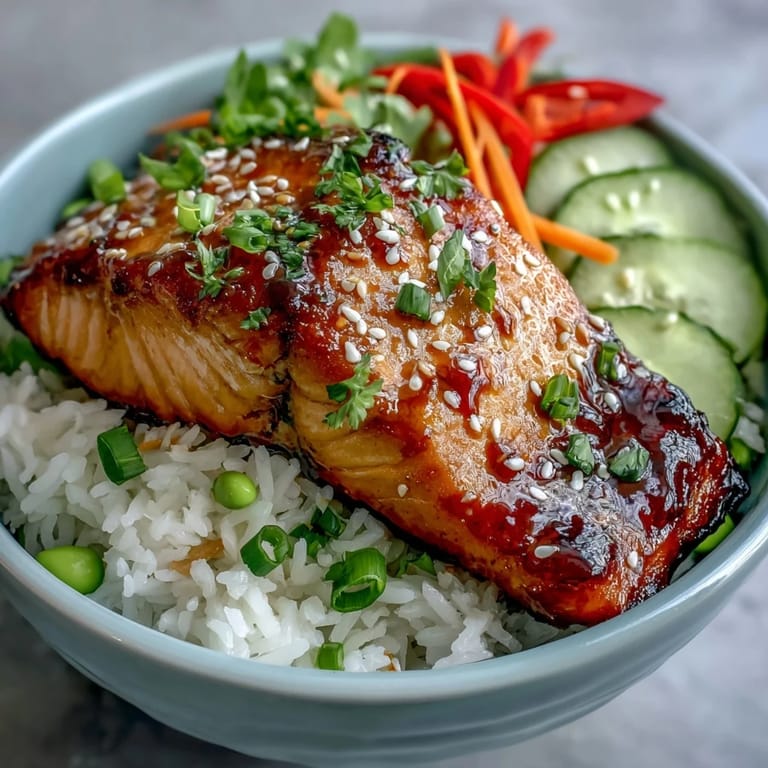
- Divide the fluffy rice evenly among four bowls, creating a small nest in the center where the salmon will sit. Arrange the julienned vegetables and edamame around the salmon in sections, making each bowl look like edible art.
- Finish with glaze and garnish:
- Drizzle the reduced glaze over each bowl, letting it pool slightly and glisten under the light. Top with toasted sesame seeds, fresh scallion slices, and lime wedges on the side so people can brighten their bowl to taste.
 Save
Save My mom asked for this recipe last year, and now she makes it every other week and says it's the only way she can get my dad to eat salmon without complaining. That moment when something you created becomes part of someone else's regular dinner rotation—that's when you realize cooking isn't about impressing people, it's about feeding them in a way that makes them feel cared for.
Why the Glaze Changes Everything
I used to think salmon needed just salt, pepper, and maybe a squeeze of lemon. Then I realized that salmon is actually quite forgiving with bold flavors, and the combination of sweet, salty, and spicy in this glaze is what elevates it from simple to restaurant-quality. The ginger and garlic soak into the flesh while it bakes, and the honey caramelizes at the edges, creating these little crispy bits that are honestly addictive. It's not complicated, but it feels sophisticated because of how the flavors work together—which is kind of the whole point of this dish.
Building Bowls That Actually Look Good
The bowl format forces you to be intentional about presentation, which somehow makes the meal taste better—science or psychology, I'm not sure. I learned to julienne my vegetables thinly and uniformly because it makes the whole thing look professional, and honestly, we eat with our eyes first. The arrangement matters too; I like to section off the vegetables so each bite gets a little bit of everything rather than carrot-heavy bites followed by pepper-heavy ones. When everyone at the table has a beautiful bowl in front of them, suddenly it feels like dinner rather than just eating lunch again.
Customization Without Losing the Soul
This bowl is flexible enough that you can swap things around based on what you have or what you're in the mood for, which is one reason I keep making it. I've added avocado when I had some sitting around, thrown in pickled ginger for extra punch, and even used brown rice when I was trying to feel virtuous. I've also made it with tamari instead of soy sauce for friends with gluten sensitivities, and it tasted exactly as good—sometimes you don't realize how adaptable something is until you actually try changing it.
- Substitute brown rice or quinoa for a heartier grain option that still pairs beautifully with the glaze.
- Add sliced avocado right before serving so it stays creamy and doesn't brown.
- Use tamari instead of regular soy sauce if you need it gluten-free, and the depth of flavor is actually richer.
 Save
Save This bowl has become my go-to when I want to feel like I've accomplished something in the kitchen without spending hours there. It's the kind of meal that looks impressive enough to serve to people you want to impress, but easy enough that you'll actually make it for yourself on a random Tuesday when you're tired and hungry.
Common Questions
- → Can I use frozen salmon fillets?
Yes, frozen salmon fillets work well for this bowl. Thaw them completely in the refrigerator overnight before cooking, then pat dry with paper towels to remove excess moisture before applying the glaze.
- → What other vegetables can I include?
You can add shredded purple cabbage, sliced avocado, steamed broccoli, snap peas, or pickled ginger. These additions maintain the Asian-inspired profile while adding variety in texture and flavor.
- → How do I store leftovers?
Store components separately in airtight containers in the refrigerator for up to 2 days. Keep the salmon, rice, and vegetables in separate containers. Reheat the salmon gently in the oven or microwave, and serve the vegetables cold or at room temperature.
- → Can I grill the salmon instead?
Absolutely. Preheat your grill to medium-high heat and oil the grates. Cook the salmon for about 4-5 minutes per side, brushing with additional glaze during the last minute of cooking. The smoky flavor from grilling complements the soy-ginger marinade beautifully.
- → Is this suitable for meal prep?
This bowl is excellent for meal prep. Cook the rice, prepare the vegetables, and bake the salmon in advance. Assemble individual portions in containers, keeping the glaze separate to prevent sogginess. Reheat portions throughout the week for quick lunches or dinners.
- → What can I substitute for sesame oil?
If you have a sesame allergy or lack sesame oil, try using a small amount of toasted walnut oil or a neutral oil like grapeseed with an extra pinch of salt. The flavor profile will change slightly but remains delicious.