 Save
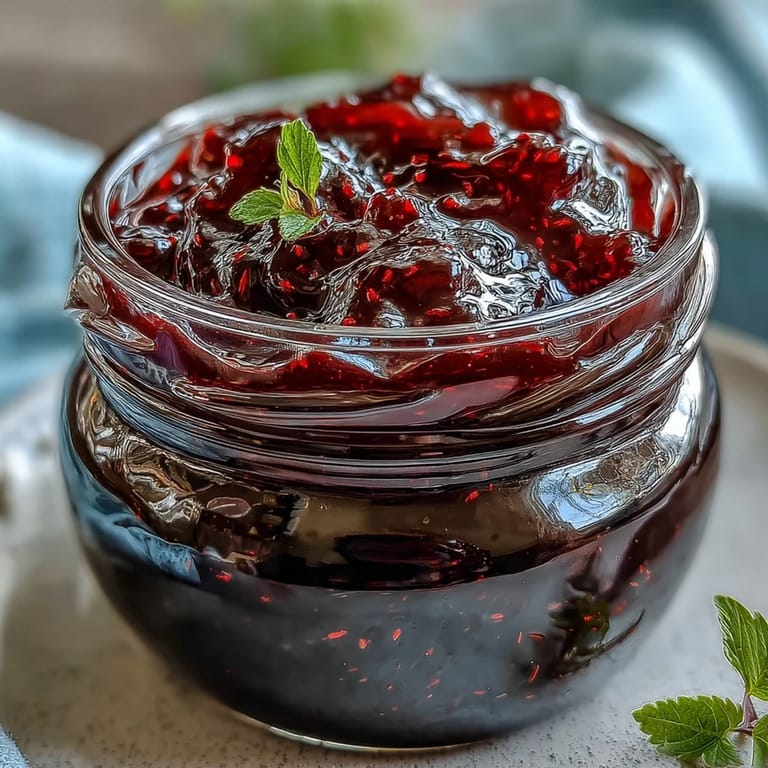
Save My grandmother kept jars of black currant jelly lined up on her pantry shelf like tiny jewels, and I spent years wondering how she coaxed that deep purple color into something so clear and glossy. One autumn afternoon, she finally let me help, and I watched in fascination as the dark berries surrendered their essence into the pot, filling her kitchen with a smell so rich it felt almost edible. There's something magical about transforming a handful of tiny fruit into something that catches the light, that lasts for months, that tastes like concentrated summer on a cold morning.
I made this for the first time when a friend showed up with a bag of foraged black currants and nowhere to use them. We stood at my stove for nearly an hour, chatting about nothing in particular, and when that moment came where the mixture finally wrinkled on the cold plate, we both felt oddly triumphant. There's something satisfying about turning ephemeral fruit into something that survives in jars.
Ingredients
- Fresh black currants (1 kg/2.2 lbs, stems removed): These little dark berries are packed with natural pectin, which is what helps your jelly set—don't skip the thorough rinsing since they can hide bits of debris.
- Water (250 ml/1 cup): Just enough to get the fruit moving in the pot and release those precious juices without diluting the intense flavor.
- Granulated sugar (800 g/4 cups): The ratio matters here—you'll adjust it based on how much juice you actually extract, but this is your starting point.
- Lemon juice (2 tbsp): This isn't just for tartness; it helps the jelly set properly and brightens the dark berry flavor so it doesn't feel heavy.
Tired of Takeout? 🥡
Get 10 meals you can make faster than delivery arrives. Seriously.
One email. No spam. Unsubscribe anytime.
Instructions
- Prep your currants with care:
- Rinse them under cool water and pull off any stems or leaves—this takes longer than you'd think, but stray stems in your jelly are honestly worse than burnt toast. Give yourself permission to do this slowly.
- Start the gentle cooking:
- Pour the currants and water into your heaviest saucepan (this distributes heat evenly so nothing burns) and let them simmer over medium heat. As they soften, mash them occasionally with the back of a wooden spoon to coax out every drop of juice.
- Cook until they surrender:
- After 15–20 minutes, the currants should look completely broken down and the liquid should be deep and dark. This is the point where they've given you everything they've got.
- Strain with patience:
- Set your fine-mesh sieve or jelly bag over a bowl and pour everything in—then walk away. Don't press or squeeze, which is agonizing but necessary for clear jelly. Let it drain at least 2 hours, or ideally overnight in the refrigerator.
- Measure and balance the sugar:
- Pour your strained juice into a measuring cup and note how much you have. You'll use equal parts juice and sugar, so if you have 750 ml of juice, that's 750 g of sugar.
- Dissolve the sugar slowly:
- Return the juice to a clean saucepan, add your measured sugar and the lemon juice, and stir over low heat until every grain dissolves. This takes patience—rushing this step can cause crystallization later.
- Reach the critical boil:
- Turn the heat up and let it come to a rolling boil, then maintain that hard boil for 10–12 minutes. If you have a candy thermometer, you're looking for 105°C (221°F), which is when the mixture has the right consistency to set.
- Test for the wrinkle:
- If you don't have a thermometer, put a small spoonful of jelly on a cold plate from your freezer, wait 30 seconds, then push it with your finger. If it wrinkles and doesn't immediately fill back in, it's ready.
- Skim and jar quickly:
- Remove from heat and use a small spoon to skim off the foam on top—this keeps your jelly looking pristine. Using a ladle, carefully fill your hot sterilized jars, leaving just ¼ inch of space at the top, then seal them right away.
- Let it rest and set:
- Allow the jars to cool completely at room temperature—this is when the magic happens and your jelly actually sets. Store in a cool, dark place and try not to open any jars for at least a week.
 Save
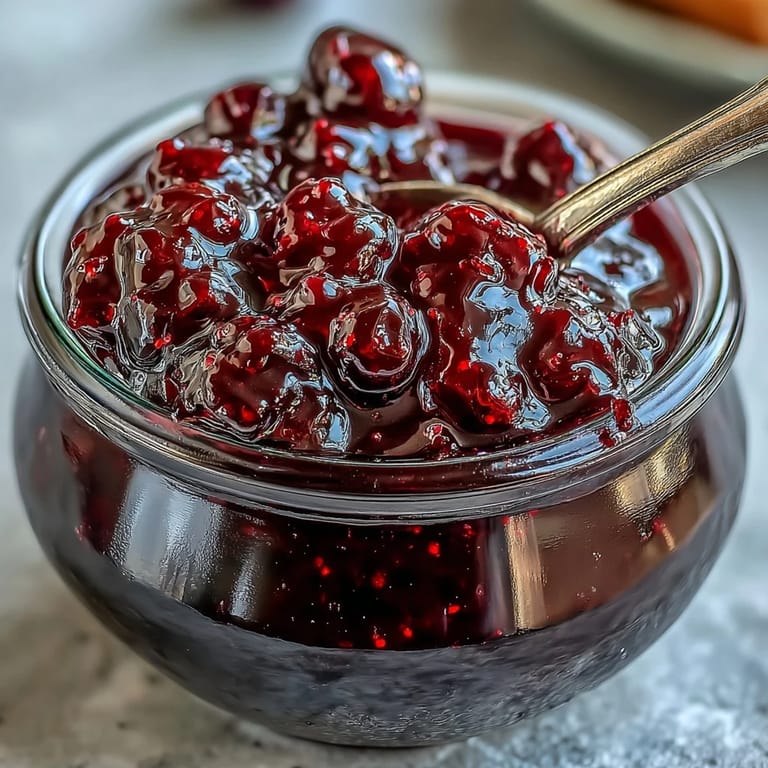
Save The first time I served this on a board with soft cheese and good crackers, watching it catch the light in the jar while people spread it thick on their plates—that's when I understood why my grandmother kept those shelves so full. It's not just about preserving fruit; it's about keeping a moment of abundance that you can open whenever you need it.
The Science Behind the Set
Black currants are naturally high in pectin, which is why this recipe works without commercial additives, but ripe fruit has less pectin than underripe fruit, so if your currants were particularly sweet and soft, you might need to add a small amount of pectin powder. The lemon juice does double duty here—the acid helps the pectin work its magic, and it also prevents the sugar from crystallizing in your finished jelly. The temperature of 105°C is crucial because it's hot enough to ensure proper setting and sterilization, but not so hot that you break down the fruit's natural color.
Best Ways to Use Your Jelly
Beyond toast, this jelly is your secret weapon for elevating simple desserts and savory moments alike. Swirl it into yogurt with granola, layer it in a sponge cake, glaze a fruit tart, or serve it alongside a sharp cheddar to shock your guests with the contrast. A spoonful stirred into a glass of sparkling wine is also unexpectedly lovely if you need an excuse to feel fancy on a Tuesday.
Storage and Longevity
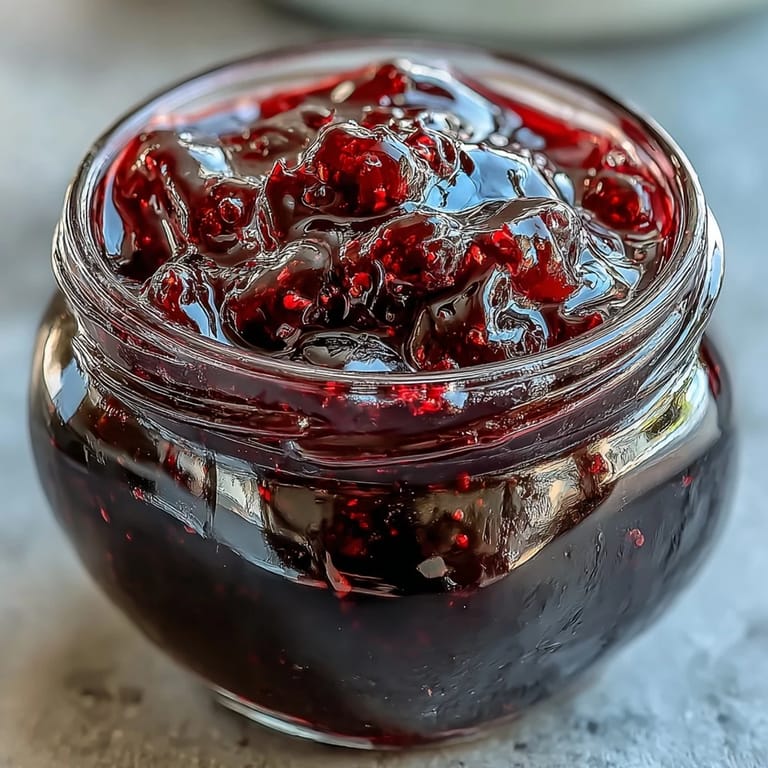
Unopened jars of jelly keep for up to a year in a cool, dark cupboard, but once you've opened one, refrigerate it and plan to use it within 3 weeks. If you notice any mold or cloudiness that wasn't there before, toss it without hesitation—it's not worth the risk. I keep my opened jars in a small basket in the fridge so I actually remember they're there, rather than finding them hidden in the back months later.
- Sterilize your jars properly by boiling them or running them through a hot dishwasher cycle right before filling.
- If you're making this to give as gifts, wrap the jars with fabric or labels so they feel special and intentional.
- A cracked jar is a failed jar—inspect them all before you start, because there's no worse feeling than losing a batch to a faulty container.
 Save
Save This jelly is the kind of thing that turns a quiet morning into something to look forward to, and once you've made it, you'll understand why some recipes become ritual. Make it when you can find good fruit, and you'll be surprised how often you reach for those jars.
Common Questions
- → How do I know when the jelly is ready?
The jelly reaches setting point at 105°C (221°F) on a candy thermometer. Alternatively, place a spoonful on a chilled plate - if it wrinkles when pushed, it's ready.
- → Why shouldn't I press the fruit when straining?
Pressing the fruit releases cloudiness into the juice. Letting it drain naturally keeps your jelly crystal clear and jewel-like in appearance.
- → Can I use frozen black currants?
Yes, frozen currants work perfectly. Thaw them completely before cooking and include any juices that accumulate during thawing.
- → How long will this preserve keep?
Properly sealed jars stored in a cool, dark place remain fresh for up to 12 months. Once opened, refrigerate and use within 3 weeks.
- → What can I serve with black currant jelly?
Pair with soft cheeses like brie or goat cheese, spread on scones, use as a glaze for fruit tarts, swirl into yogurt, or fill layers in sponge cakes.