 Save
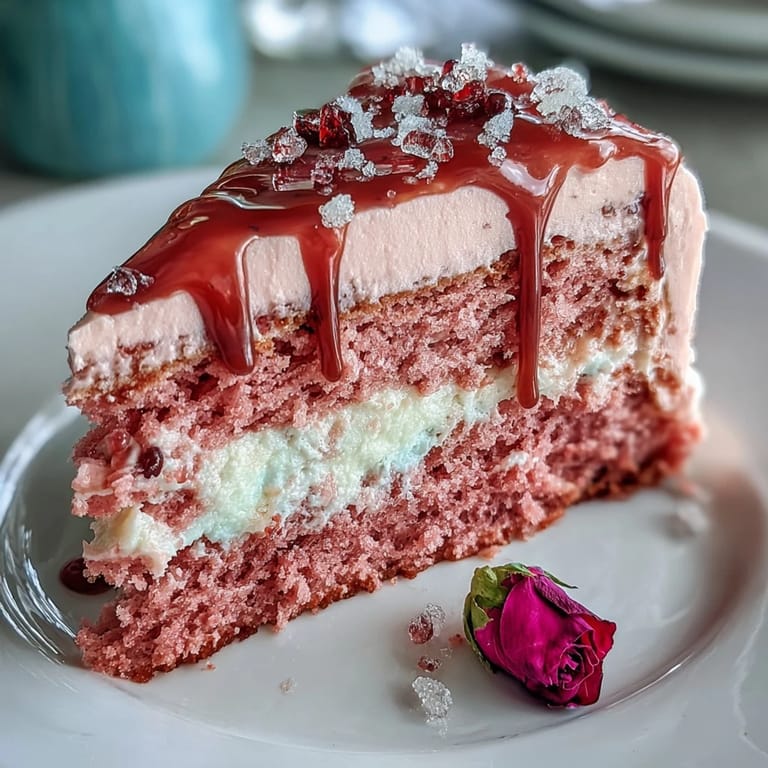
Save The first time I made this Rosé Velvet Cake, the kitchen was flooded with bright afternoon light and the soft, floral scent of wine mingled in the air. The excitement of creating something so celebratory pushed me to hum along to my playlist, tapping cracked eggs to the beat. There's something almost mischievous about baking with wine for dessert—it feels like a little secret you add to the batter. I remember tasting the raw mix (as I often do, despite the eggs) and instantly loving that delicate blush flavor. Sometimes, the prettiest cakes make you grin like a child, and this one did just that for me.
Last spring, I baked this cake for my friend's bridal shower, and the moment it appeared, the entire room fell silent before erupting into cheers. We laughed over frosting mishaps while I tried not to smudge the gold, and everyone snapped photos before we could even cut a slice. That blend of nervousness and pride is something I don't think I'll forget. Passing plates of pastel cake felt like sharing a little bit of magic. The bride's delighted, surprised hug covered my apron in powdered sugar.
Ingredients
- All-purpose flour: This creates a soft but sturdy crumb; I always fluff it with a fork before measuring for accuracy.
- Cornstarch: A small amount makes for a lighter, more tender cake texture.
- Unsweetened cocoa powder: Just a touch for complexity, so the pink hue stays delicate but the flavor is deeper.
- Baking soda: Ensures a gentle rise; double-check it's fresh for best results.
- Salt: Brings out the other flavors and keeps the sweetness balanced.
- Unsalted butter: Room temperature makes all the difference when creaming for fluffiness.
- Granulated sugar: Adds sweetness and structure; creaming it well makes your cake lighter.
- Light brown sugar: Hints of caramel from the molasses give warmth to the base.
- Large eggs: Always at room temperature so they blend effortlessly into the batter.
- Rosé wine: Go for something fragrant and fruity; you can taste the difference.
- Buttermilk: Brings tang and tenderness—never skip it for velvet cakes.
- Vanilla extract: Rounds out the cake's flavors with subtle sweetness.
- Pink gel food coloring: Optional, but just a smidge makes for a show-stopping blush.
- Cream cheese: Softened to room temp, so your frosting is ultra-smooth.
- Confectioners' sugar: Sift it for a lump-free, cloudlike frosting.
- White chocolate chips: The base for your drip—pick good quality for easy melting.
- Heavy cream: Adds shine and the perfect drip consistency to the ganache.
- Edible gold luster dust: Turns your cake from pretty to jaw-dropping; just a tiny bit goes far.
- Clear vodka or lemon extract: Needed to mix with the luster dust for painting.
Tired of Takeout? 🥡
Get 10 meals you can make faster than delivery arrives. Seriously.
One email. No spam. Unsubscribe anytime.
Instructions
- Get Set Up:
- Preheat your oven to 350°F and line three 8-inch pans with parchment. There's something calming about buttering pans—don't rush this bit.
- Sift the Dry Ingredients:
- Whisk together flour, cornstarch, cocoa, baking soda, and salt so everything's evenly distributed and lump-free.
- Cream Butter and Sugars:
- Beat the soft butter with both sugars until pale and fluffy—watch for it to go from dense to airy; that's your cue.
- Mix in Eggs and Vanilla:
- Add eggs one at a time, blending well so the batter stays silky; stir in the vanilla for a fragrant lift.
- Combine Rosé and Buttermilk:
- Mix the wine and buttermilk together in a jug—don't worry if it looks a little curdled, it's just tang meeting fruit.
- Alternate Wet and Dry:
- Add flour mixture and rosé-buttermilk to butter mixture, starting and ending with flour. A gentle hand now keeps your crumb tender—add a swirl of pink coloring here if you like.
- Bake the Cakes:
- Divide batter equally, smooth tops, and bake until a toothpick comes out almost clean. I always listen for the cake's gentle springy sound as it cools.
- Cool Completely:
- Let cakes rest in their pans for ten, then turn onto a wire rack—the smell fills the kitchen while you resist the urge to steal a crumb.
- Make Frosting:
- Beat cream cheese and butter until creamy, slowly adding sugar, vanilla, and a pinch of salt until light and spreadable.
- Frost and Chill:
- Spread a generous layer of frosting between each cake, then cover the outside. Chill for thirty minutes to help set the edges before decorating.
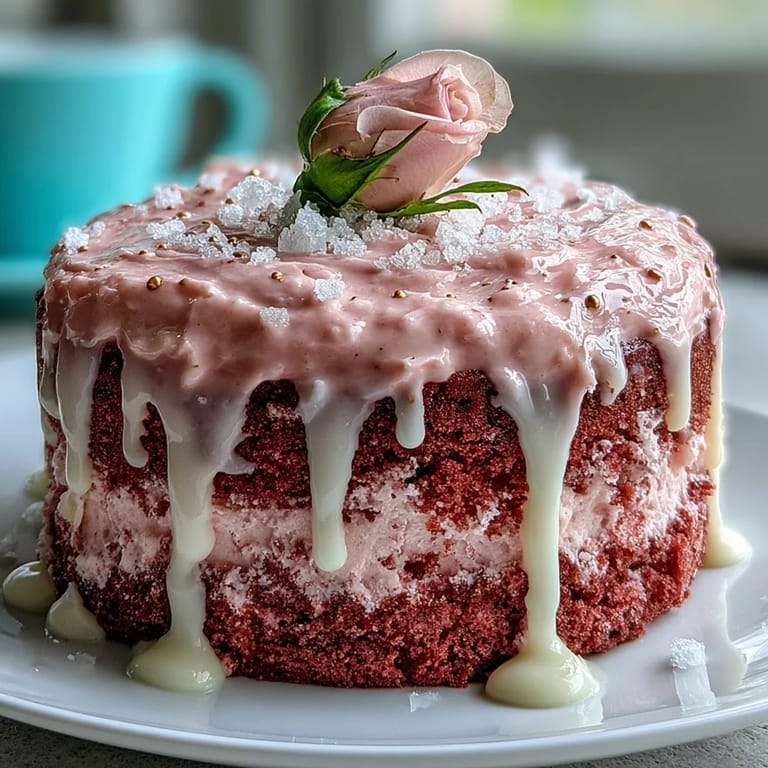
- Gold Drip Ganache:
- Melt white chocolate and cream over a water bath, then cool a little. Drizzle gently around cake edges so the drips find their own path.
- Paint the Drip:
- Once ganache is set, stir a bit of gold luster dust with vodka or lemon extract and swipe on the drips with a paintbrush.
- Final Flourishes:
- Garnish with edible flowers or gold leaf if you're feeling fancy, and stand back to admire your creation before sharing.
 Save
Save  Save
Save Watching guests pull out their phones for cake photos and then go blissfully quiet on the first bite made every hour worth it. That moment when everyone is smiling over pink crumbs and laughter, well, that's the magic every home baker lives for.
Making the Perfect Gold Drip
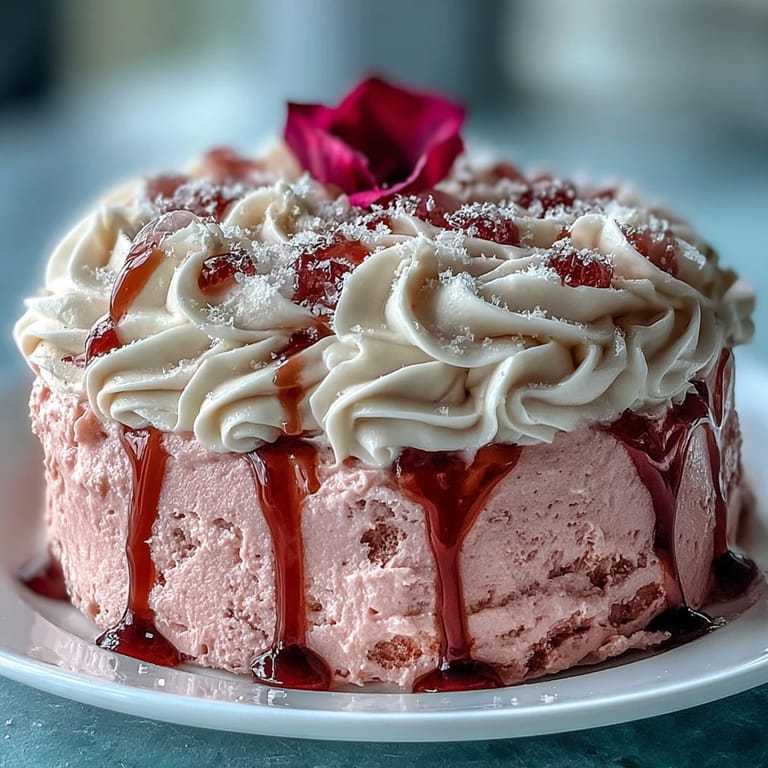
No two drips ever turn out exactly the same, and that's half the fun. I've learned to trust that the drips will flow just right, as long as the ganache is slightly warm—not hot, not cold. If you mess up the first one, just take a breath and keep going, because the gold paint smooths over almost any imperfection. A dedicated little paintbrush (never saved for crafting) is my best friend for getting that shine in all the right spots.
Rosé in the Kitchen
Baking with wine feels a little rebellious, but it's really about heightening the aroma and flavor in a cake like this. Choosing a rosé with floral or berry notes adds something quietly sophisticated in the background. I occasionally sip what's left while frosting, which turns the whole process into a celebration all its own. A dry rosé will keep your cake from being overly sweet, which is important with the rich frosting.
Assembly and Celebration Moments
Assembling this cake can get messy, but the transformation is always worth it. If the edges look rough, just turn that side to the back—no one will ever know. Sometimes, I'll gather a few family members to help with flowers or dusting, and we swap stories while working side by side.
- Keep a damp towel nearby to wipe sticky hands between steps.
- Chill your cake layers before stacking for easier handling.
- Don't fret about perfection—celebration cakes are meant to feel joyful, not flawless.
 Save
Save  Save
Save Here's to cakes that sparkle and gatherings filled with laughter—may your bridal shower be as unforgettable as this sweet, golden centerpiece.
Common Questions
- → Can I omit alcohol and keep the same flavor?
Yes. Substitute an equal amount of pink grape juice or sparkling cider for rosé to retain the fruity aroma and color without alcohol.
- → How do I achieve a vibrant pink hue naturally?
Use a high-quality rosé and reduce browning from overmixing. A small amount of pink gel coloring boosts intensity if you want a brighter finish.
- → What’s the best way to get smooth cream cheese frosting?
Bring cream cheese and butter to room temperature, beat until completely smooth before adding sifted confectioners’ sugar, and chill briefly to firm up for easy spreading.
- → How do I make a stable gold drip?
Melt white chocolate with heavy cream to a pourable ganache, cool until slightly thickened, drip from the edge with a spoon, then paint the set drips with gold luster mixed with a few drops of vodka or lemon extract.
- → How should I store the finished cake?
Keep chilled in the fridge, covered lightly to protect decorations. Bring to room temperature 30–60 minutes before serving for best texture and flavor.
- → How can I prevent layers from sinking or baking unevenly?
Measure ingredients precisely, avoid overmixing, tap pans to release air, and bake until a toothpick comes out clean. Cool in pans 10 minutes, then transfer to a rack to finish cooling.