 Save
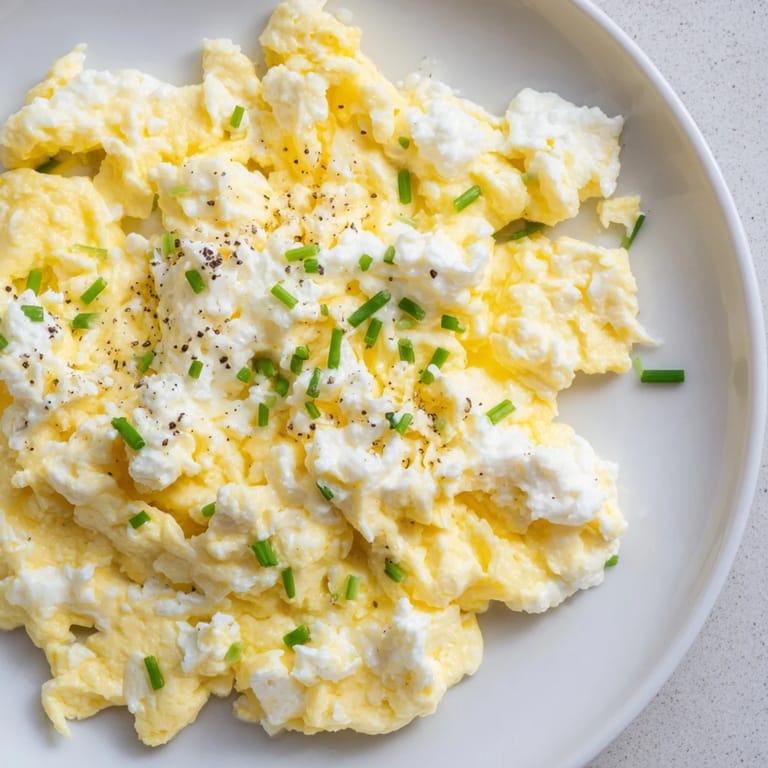
Save There's something almost magical about how cottage cheese transforms ordinary scrambled eggs into something cloud-like and luxurious. I discovered this trick by accident one morning when I was trying to use up a container of cottage cheese before it went bad, and I've been hooked ever since. The result is scrambled eggs that are impossibly fluffy yet rich with protein, nothing like the dense, rubbery eggs I used to make. Now I find myself reaching for this method whenever I want breakfast to feel like a small act of self-care rather than just fuel.
I made these for my sister during a lazy Sunday brunch, and she actually paused mid-bite to ask what made them taste so different from the eggs she makes at home. There's something wonderful about watching someone discover that their breakfast can be both better and easier than they thought possible. She's now a devoted convert, and I've caught her making them on weekday mornings when she needs to feel a little more together.
Ingredients
- Eggs: Use the freshest large eggs you can find; they whip up lighter and the yolks add richness that matters when you're keeping things simple.
- Cottage cheese: Full-fat is the move here because it blends smoothly and contributes real creaminess; low-fat versions tend to break down into grainy bits.
- Milk or cream: A tablespoon adds moisture that helps the cottage cheese incorporate evenly without making the mixture watery.
- Salt and pepper: Freshly ground pepper makes a noticeable difference in the final taste, so don't skip the grinder.
- Butter: Unsalted lets you control the seasoning, and a tablespoon is exactly enough to coat the pan without drowning the eggs.
- Chives or parsley: Optional but recommended; the fresh bite cuts through the richness beautifully and adds a visual pop.
Tired of Takeout? 🥡
Get 10 meals you can make faster than delivery arrives. Seriously.
One email. No spam. Unsubscribe anytime.
Instructions
- Mix your base:
- Whisk the eggs, cottage cheese, milk, salt, and pepper together until the mixture is well combined and slightly frothy on top. You want it smooth, not broken, so take a moment here and don't rush.
- Get your pan ready:
- Heat the butter over medium-low heat until it's melted and just starting to bubble gently. The lower heat is key because cottage cheese can break at high temperatures, and we want soft, creamy eggs, not scrambled curds.
- Pour and pause:
- Add the egg mixture to the pan and let it sit undisturbed for about 20 seconds. This creates a foundation for the fluffy layers that make these eggs special.
- Stir gently and often:
- Using a spatula, sweep from the edges toward the center in slow, deliberate motions. Repeat this every 20 seconds or so, cooking for about 2 to 3 minutes total until the eggs look just barely set on the outside but still slightly wet on top.
- Plate immediately:
- The moment the eggs stop looking raw, transfer them to a warm plate. They'll continue cooking slightly from residual heat, so pulling them early guarantees they stay creamy and won't become overcooked.
 Save
Save There was a morning when I made these for my friend who'd been having a rough week, and something about watching her face light up over a plate of scrambled eggs made me realize that food doesn't have to be complicated to be meaningful. Breakfast became a small conversation instead of just another task, and that felt like the point.
The Cottage Cheese Secret
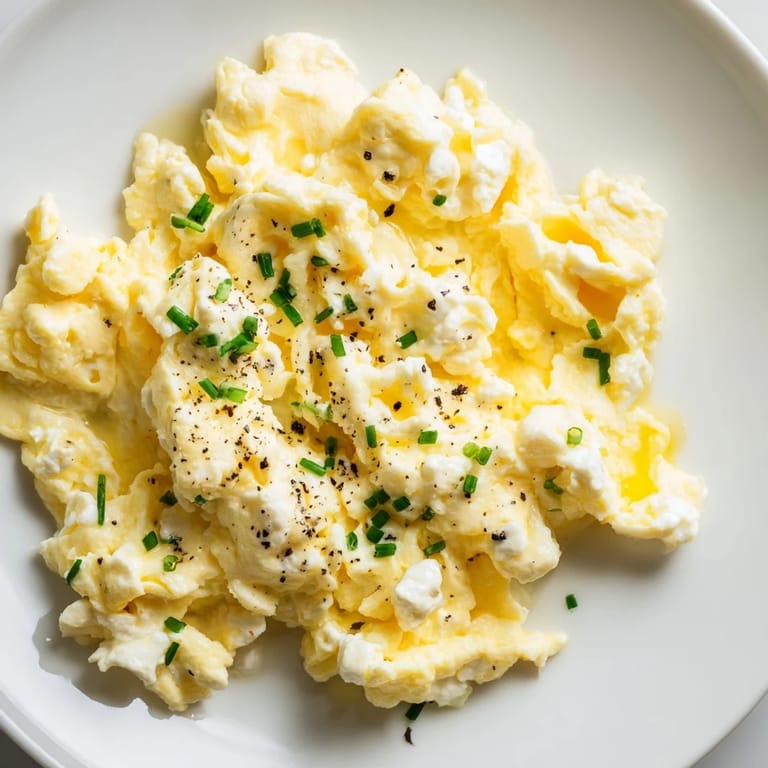
Most people think of cottage cheese as something to eat cold straight from the container, but warm cottage cheese is a completely different ingredient. When it heats gently, it softens and blends into the eggs without losing its structure, creating pockets of creaminess that make every bite feel luxurious. It's the texture upgrade that changes how eggs feel in your mouth, and once you've experienced it this way, you'll understand why this method has become my default.
Building Flavor Beyond the Basics
The beauty of these eggs is that they're delicious on their own, but they're also a blank canvas if you want to get creative. I've folded in sautéed spinach, scattered crispy bits of smoked salmon, added roasted tomatoes, or stirred in sharp cheddar just before plating. The eggs remain the star, but these additions become supporting characters that add depth without overwhelming the dish.
Making This Breakfast Feel Complete
These eggs are naturally satisfying on their own thanks to the protein, but I love serving them alongside something with texture and fiber to make breakfast feel more rounded. A slice of whole-grain toast gives you something to build on, avocado slices add healthy fat and creaminess, or fresh fruit brings brightness that balances the richness of the eggs. The point is to eat with intention, even if breakfast only takes 10 minutes.
- Toast whole-grain bread until golden and spread lightly with butter to catch any creamy runoff from the eggs.
- Slice a ripe avocado and season it simply with salt and pepper so it doesn't compete with the eggs.
- Keep fresh herbs growing on a windowsill so you always have chives, parsley, or dill ready to freshen up your plate.
 Save
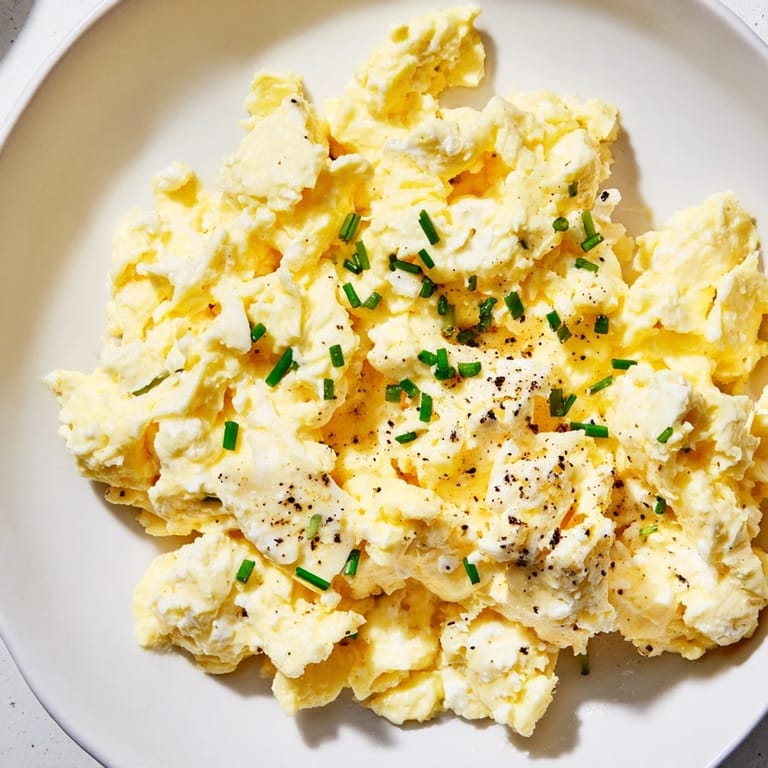
Save These eggs have become my default when I want breakfast to feel nourishing without being complicated. There's real power in knowing how to make something this good in 10 minutes flat.
Common Questions
- → How does cottage cheese affect the eggs?
Cottage cheese adds creaminess and moisture, making the eggs extra fluffy and rich without overpowering their natural flavor.
- → What cooking technique keeps the eggs fluffy?
Cooking the eggs slowly over medium-low heat and stirring gently helps maintain softness and prevents overcooking.
- → Can I substitute milk with cream?
Yes, using cream makes the eggs even richer and creamier, enhancing their texture and taste.
- → What garnishes complement this dish?
Fresh chopped chives or parsley add color and a mild herbaceous flavor that balances the creamy eggs.
- → Are there suggested add-ins for variety?
Try folding in sautéed spinach, tomatoes, smoked salmon, or shredded cheese for additional flavor and nutrition.