 Save
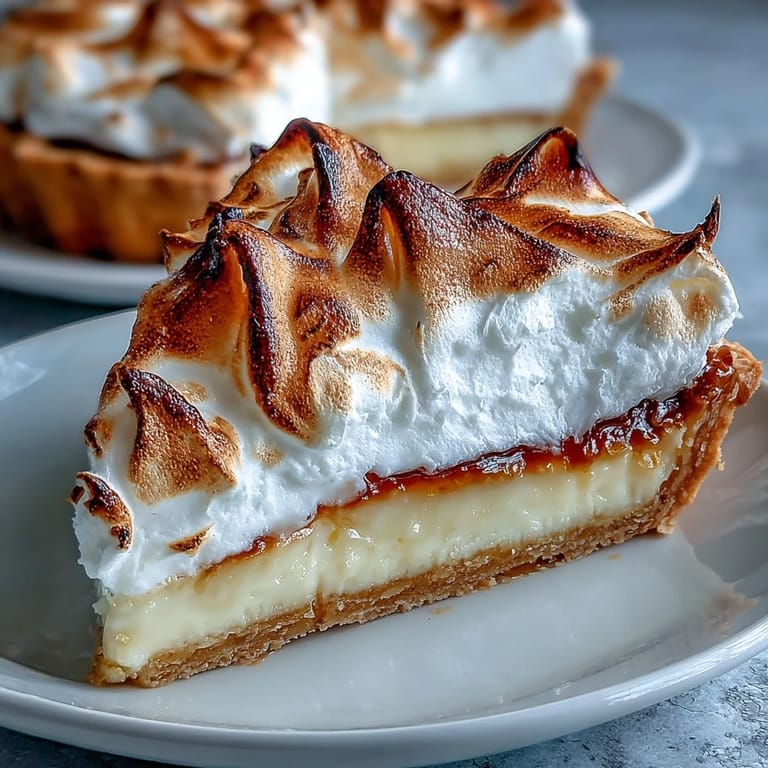
Save My oven timer went off just as the neighbor's cat knocked over a potted plant on the porch, and I rushed to pull the pie out with one oven-mitted hand while shooing him away with the other. The meringue had puffed into these perfect golden peaks, and for a moment I just stood there, stunned that I'd actually pulled it off. Lemon meringue pie always seemed like something only grandmothers and pastry chefs could make, but there it was, wobbly and warm and mine. I'd been intimidated by the meringue for years, convinced it would weep or deflate or spite me somehow. Turns out, it just wanted a little attention and a steady hand.
I made this for my sister's birthday one July, and we ate it on the back deck while fireflies blinked in the yard. She told me it tasted exactly like the pie our aunt used to make, which I hadn't been aiming for but somehow landed on anyway. We sat there scraping our forks across the plates long after the slices were gone, talking about summers we barely remembered. The pie became a reason to sit still for an hour, which doesn't happen often enough. It's funny how a dessert can turn into an occasion without you planning it.
Ingredients
- All-purpose flour: The backbone of your crust, and using cold butter with it creates those flaky layers that shatter perfectly under a fork.
- Cold unsalted butter: Keeping it cold is the secret to a tender, flaky crust because the butter creates steam pockets as it bakes.
- Ice water: Add it slowly and stop as soon as the dough holds together, overworking it will make the crust tough and chewy.
- Granulated sugar: Used in all three components, it sweetens the crust, balances the lemon, and stabilizes the meringue.
- Cornstarch: This thickens the lemon filling into that glossy, sliceable texture without making it gummy or heavy.
- Egg yolks: They enrich the filling and give it that beautiful custard-like body that holds its shape when you cut into it.
- Freshly squeezed lemon juice: Bottled juice will work in a pinch, but fresh lemon juice has a brightness that makes the whole pie come alive.
- Lemon zest: Those tiny flecks add aromatic oils and a deeper lemon flavor that juice alone can't deliver.
- Egg whites: Room temperature whites whip up faster and higher, creating that cloud-like meringue topping.
- Cream of tartar: It stabilizes the egg whites so your meringue holds its shape and doesn't weep or collapse after baking.
- Pure vanilla extract: Just half a teaspoon in the meringue adds a subtle warmth that rounds out the sweetness.
Tired of Takeout? 🥡
Get 10 meals you can make faster than delivery arrives. Seriously.
One email. No spam. Unsubscribe anytime.
Instructions
- Mix and Chill the Dough:
- Whisk the flour, salt, and sugar together, then cut in the cold butter until it looks like coarse sand with some pea-sized bits still visible. Drizzle in ice water one tablespoon at a time, mixing gently until the dough just holds together when you press it, then shape it into a disk, wrap it up, and let it chill for at least an hour so it's easier to roll.
- Blind Bake the Crust:
- Roll the chilled dough out on a floured surface, fit it into your pie dish, trim the edges, and prick the bottom all over with a fork to keep it from puffing. Line it with parchment, fill with pie weights or dried beans, and bake at 400°F for 15 minutes, then remove the weights and bake another 8 to 10 minutes until it's golden and crisp.
- Cook the Lemon Filling:
- Whisk sugar, cornstarch, and salt in a saucepan, then slowly add water while whisking until smooth, and cook over medium heat, stirring constantly until it thickens and bubbles. Temper your egg yolks by whisking in a little of the hot mixture first, then whisk the yolks back into the pan, cook for 2 more minutes, and stir in the lemon zest, juice, and butter until it's glossy and smooth.
- Whip the Meringue:
- Beat room temperature egg whites and cream of tartar on high speed until soft peaks form, then gradually add the sugar and keep beating until you get stiff, glossy peaks that stand up when you lift the beaters. Fold in the vanilla gently so you don't deflate all that air you just whipped in.
- Assemble and Bake:
- Pour the warm lemon filling into your cooled crust, then spread the meringue over the top, making sure to seal it all the way to the edges so it doesn't shrink. Bake at 350°F for 15 to 18 minutes until the meringue turns golden brown, then let it cool to room temperature before chilling for at least 2 hours so the filling sets up perfectly.
 Save
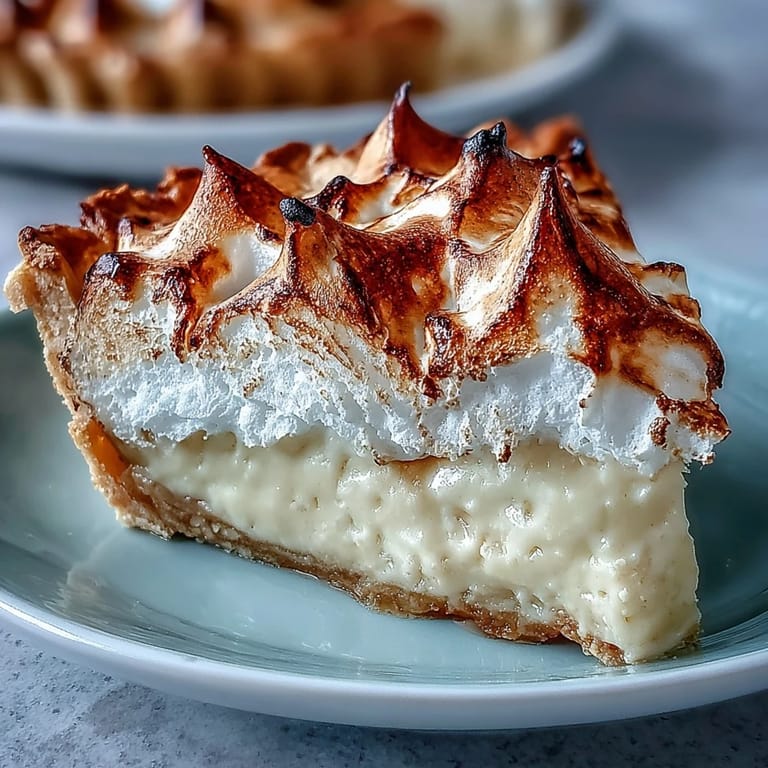
Save The first time I served this at a potluck, someone asked if I'd bought it from a bakery, and I tried to play it cool but inside I was doing a victory lap around the kitchen. That moment when you cut into it and the layers stay distinct, the filling doesn't run, and the meringue doesn't weep, that's when you know you've figured it out. It stopped being just a recipe and became something I was genuinely proud to share. Now every time I make it, I remember that compliment and feel a little less nervous about the meringue.
Getting the Crust Just Right
The crust can make or break this pie, and the secret is keeping everything cold and not overworking the dough. I learned this the hard way after making a batch that baked up tough and dense because I got impatient and added too much water, then kneaded it like bread dough. Now I use a light hand, barely bringing it together, and I chill it twice if the kitchen is warm. If your dough cracks when you roll it, let it sit at room temperature for a few minutes to soften slightly. Brushing the baked crust with a thin layer of beaten egg white before adding the filling creates a barrier that keeps it crisp even after hours in the fridge.
Mastering the Lemon Filling
The filling should be thick enough to slice cleanly but still have a creamy, custard-like texture that melts on your tongue. I used to rush the tempering step and ended up with scrambled eggs floating in my lemon mixture, which is as unappetizing as it sounds. Now I whisk the egg yolks constantly while adding the hot liquid in a slow, steady stream, and I've never had a problem since. Fresh lemon juice is worth the effort because bottled juice tastes flat and slightly bitter, and the zest adds tiny bursts of citrus oil that make the flavor more complex. Stir in the butter at the end for a silky finish that coats your spoon like liquid sunshine.
Meringue Tips and Tricks
Room temperature egg whites whip up to nearly double the volume of cold ones, so I set mine out about 30 minutes before I start. Make sure your bowl and beaters are completely clean and dry because even a tiny bit of grease will prevent the whites from reaching stiff peaks. I add the sugar gradually, letting it dissolve fully before adding more, which gives you that glossy, marshmallow-like texture. The cream of tartar stabilizes everything so your meringue doesn't collapse or weep after baking, and spreading it onto warm filling helps it set without separating.
- If your meringue weeps, it's often because the filling cooled too much before you added the topping.
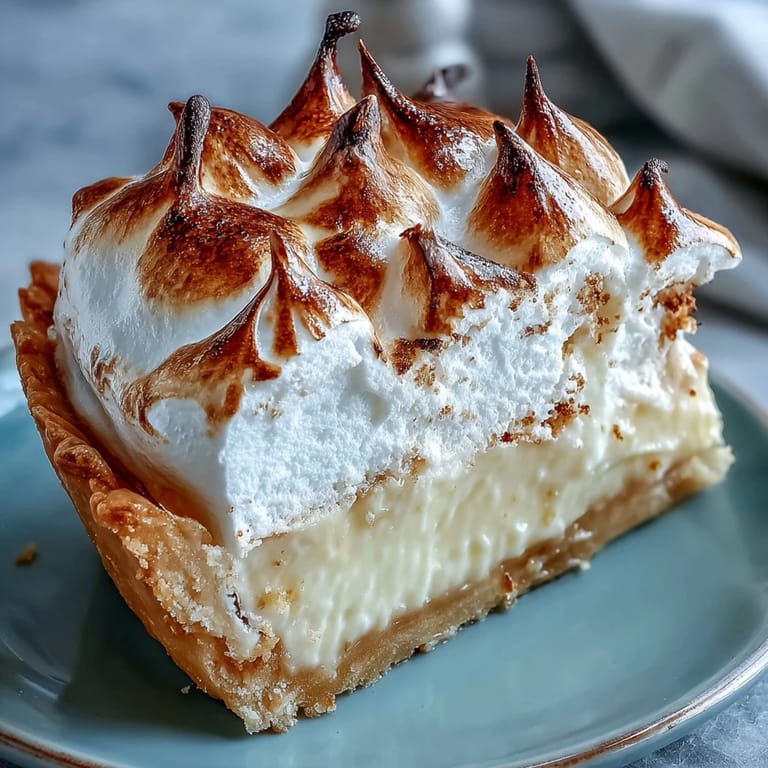
- Swirl the meringue into peaks and valleys for a dramatic look that catches the oven heat and browns beautifully.
- Let the pie cool slowly at room temperature before chilling to avoid condensation forming on the meringue.
 Save
Save This pie has become my go-to whenever I want to feel like I've accomplished something in the kitchen, and it never fails to make people smile. There's something about that first bite, tart and sweet and cloud-light all at once, that feels like a small celebration.
Common Questions
- → How do I prevent the meringue from weeping?
Spread the meringue over the filling while it's still warm, making sure to seal the edges completely to the crust. This creates a barrier that prevents moisture from seeping out. Bake immediately after spreading the meringue.
- → Can I make the crust ahead of time?
Yes, you can prepare and bake the crust up to 2 days in advance. Store it covered at room temperature. You can also freeze the unbaked dough disk for up to 3 months.
- → Why is my lemon filling runny?
The filling needs to cook long enough for the cornstarch to fully activate and thicken. Make sure to cook it until it bubbles and reaches a thick consistency. Also, allow the pie to chill completely for at least 2 hours before slicing.
- → How should I store leftover pie?
Cover the pie loosely with plastic wrap or foil and refrigerate for up to 3 days. The meringue may soften slightly over time, but the pie will still taste delicious.
- → Can I use bottled lemon juice instead of fresh?
Fresh lemon juice is strongly recommended for the best flavor and brightness. Bottled juice often has a flat, slightly bitter taste that won't give you the same vibrant, tangy result.
- → What's the best way to get stiff meringue peaks?
Use room temperature egg whites in a completely clean, grease-free bowl. Add cream of tartar for stability, and beat on high speed while gradually adding sugar. The meringue is ready when it holds glossy, stiff peaks that don't droop.