 Save
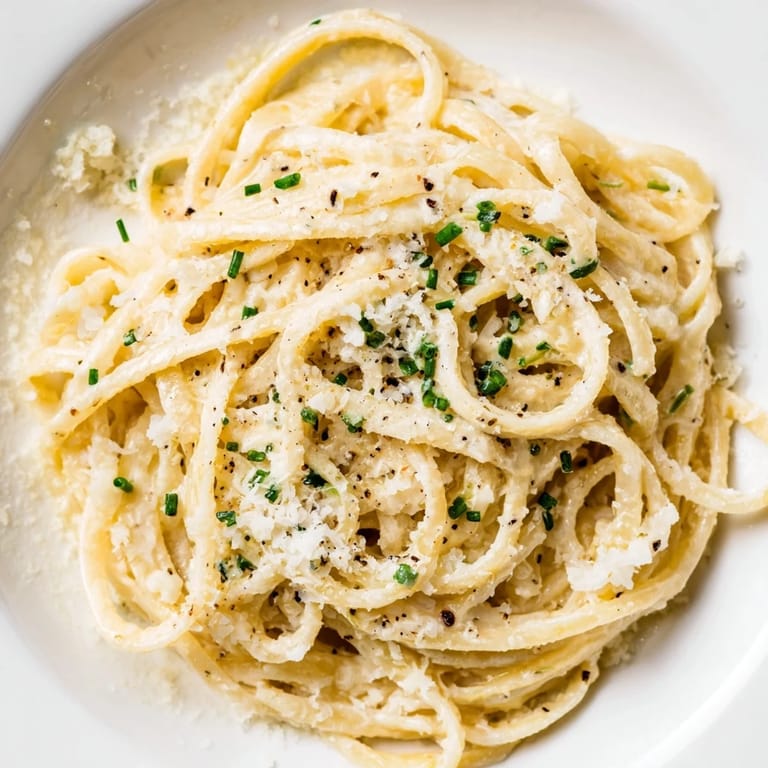
Save I discovered miso butter pasta on a quiet Tuesday evening when I had nothing in the pantry but pasta, butter, and a container of white miso I'd been meaning to use. That first taste—umami-rich, silky, and somehow both comforting and sophisticated—made me forget I was just improvising dinner. Now it's become my go-to when I want something that tastes like I've spent hours cooking but takes barely more than boiling water.
I made this for my partner on a night when we were both exhausted, and I watched their whole face change when they took the first bite—that moment when something simple becomes memorable. They've requested it so many times since that I stopped counting, and I realized that the best recipes aren't always the ones that sound impressive, they're the ones that feel like you're being cared for in a bowl.
Ingredients
- Spaghetti or linguine, 350 g (12 oz): Choose a shape you love; the thinner noodles really let that silky sauce cling to every bite. Don't skip the reserved pasta water—it's the secret to a glossy, cohesive sauce.
- Unsalted butter, 60 g (4 tbsp): Use softened butter so it blends smoothly with the miso; cold butter won't incorporate properly and you'll end up with gritty little bits.
- White miso paste, 2 tbsp: This is the star ingredient that gives the whole dish its character; it's salty and deeply savory without tasting fishy or overwhelming.
- Extra-virgin olive oil, 2 tbsp: This prevents the garlic from scorching and keeps the sauce from becoming too heavy.
- Garlic cloves, 4, finely minced: The smell when garlic hits hot oil is one of the best kitchen moments—watch it carefully so it stays pale and fragrant, not brown and bitter.
- Freshly ground black pepper, 1 tsp: Grind it fresh right before cooking; pre-ground pepper will taste dusty and flat compared to the snap of freshly cracked pepper.
- Red pepper flakes, 1/4 tsp (optional): A whisper of heat lifts the richness and keeps the dish from feeling one-note.
- Grated Parmesan cheese, 40 g (1/2 cup): The final layer that adds saltiness and a slight nuttiness; don't use the pre-grated kind in the green can if you can help it.
- Fresh chives or scallions, 2 tbsp chopped: These bright greens are your visual pop and add a fresh bite that balances all that richness.
- Lemon wedges, to serve: A squeeze of lemon at the end cuts through the butter and miso, making the dish feel lighter and more complete.
Tired of Takeout? 🥡
Get 10 meals you can make faster than delivery arrives. Seriously.
One email. No spam. Unsubscribe anytime.
Instructions
- Boil the pasta:
- Fill a large pot with water, salt it generously (it should taste like the sea), and bring it to a rolling boil. Add your pasta and cook it just until al dente, with a bit of resistance in the center—it will keep cooking slightly in the warm sauce. Before draining, scoop out a cup of that starchy pasta water and set it aside; this liquid gold is what transforms your sauce from broken and greasy to silky and cohesive.
- Make the miso butter base:
- While the pasta bubbles away, combine your softened butter and white miso in a small bowl and mix until you have a smooth paste with no lumps. This step matters more than it seems because lumpy miso won't melt evenly into the sauce.
- Bloom the garlic:
- Heat olive oil in a large skillet over medium heat and add your minced garlic. Let it sizzle for about a minute until it becomes golden and fragrant, but watch it like a hawk—the moment it starts to brown, you've crossed into bitter territory. You'll know it's ready when your whole kitchen smells like a trattoria.
- Melt the miso butter:
- Turn the heat down to low and add your miso butter mixture to the garlic oil. Stir constantly until it's completely melted and emulsified into a glossy, even sauce. Low heat is crucial here because high heat will break the emulsion and separate everything.
- Combine pasta and sauce:
- Add your drained pasta to the skillet and start tossing with tongs or a pasta fork, coating every strand. Slowly add your reserved pasta water a splash at a time, tossing between each addition, until the sauce is silky and clings to the noodles like a light veil. This is the magic part—it usually takes 2 to 3 splashes of water to get it perfect.
- Season and finish:
- Stir in your black pepper and red pepper flakes if you're using them, toss everything together one more time, and remove from heat. Scatter Parmesan cheese over the top, toss until it's evenly distributed, and you should see little pockets of cheese melting into the warm noodles.
- Serve with intention:
- Transfer to bowls or plates right away, top with fresh chives or scallions, and serve each bowl with lemon wedges. The lemon is not a garnish—squeeze it over your pasta and watch how it brightens everything immediately.
 Save
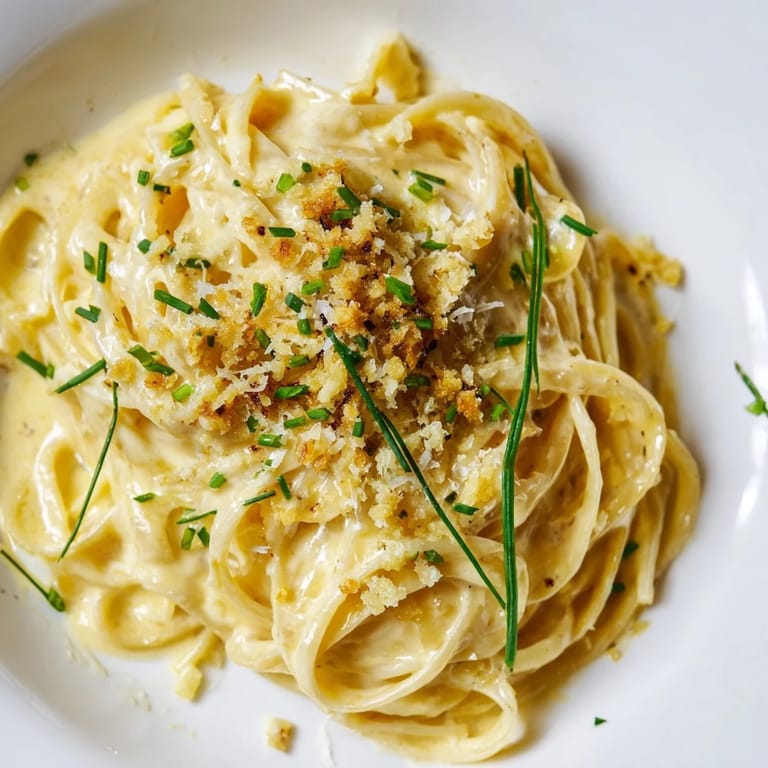
Save I remember the first time someone who claimed they didn't like miso tried this pasta at my dinner table, expecting to politely push it around their plate. Watching them go back for seconds and then ask for the recipe—that's when I realized this dish bridges something important, making the unfamiliar feel like home. It taught me that sometimes the most powerful cooking isn't about complexity or fancy ingredients; it's about creating something that tastes immediately right to anyone who tries it.
Ways to Make It Your Own
This pasta is a gentle canvas rather than a rigid formula. I've added sautéed mushrooms on nights when I want more earthiness and body, or a handful of wilted spinach when I'm looking for something slightly green and iron-rich. A poached egg on top turns it into something almost meditative—the runny yolk becomes part of the sauce and adds a silky richness that feels indulgent. Some mornings when I have leftover roasted vegetables, I'll fold them in and it's like the pasta transforms into something completely new while staying true to itself.
Timing and Texture
The beauty of this recipe is that it works within a narrow window but demands your attention once you start cooking. Pasta waits for no one, and neither does this sauce—you want to add the drained noodles to the warm miso butter within a minute or two of draining them. The starch still clinging to the pasta is what helps create that silky emulsion, so getting it all into the skillet while everything is still hot is essential. This is one of those dishes where multitasking in the kitchen actually pays off because you're managing a few things at once.
The Science of Simplicity
What makes this dish work is understanding a few simple principles: butter and miso create umami layers that taste richer than the sum of their parts, while garlic adds depth without being aggressive when kept pale and fragrant. The starch from the pasta water does the heavy lifting of emulsification, which is why that reserved water becomes non-negotiable in the final dish. This is proof that the best cooking isn't about long ingredient lists or complicated techniques.
- White miso is milder and sweeter than red or dark miso, making it perfect for dishes where you want umami without overpowering earthiness.
- If you don't have white miso, you can substitute with a little less red miso and a touch of honey or sugar to balance the intensity.
- This pasta tastes best served immediately, but leftovers keep in the fridge and can be reheated gently with a splash of milk or pasta water to loosen the sauce again.
 Save
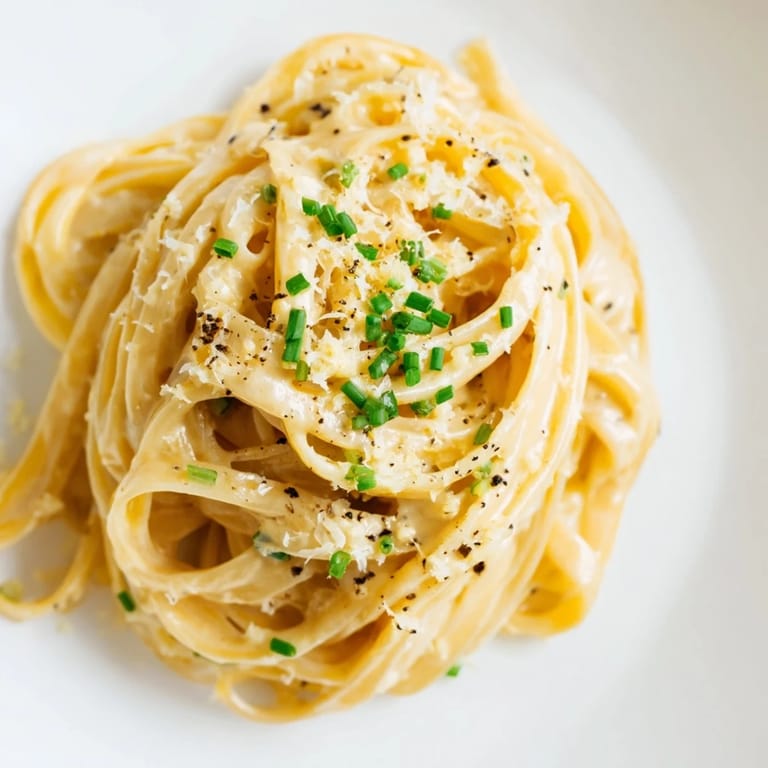
Save This pasta reminds me that the most memorable meals often come from accidents or moments of creative desperation, not from following someone else's rules perfectly. It's become my favorite thing to cook when I want to feel like I'm doing something right in the kitchen.
Common Questions
- → What type of pasta works best?
Spaghetti or linguine are ideal as their surface holds the miso butter sauce well, giving a silky coating.
- → Can I use other types of miso?
White miso is preferred for its mild sweetness, but red or mixed miso can be used for stronger, earthier flavor.
- → How do I make this dish vegan?
Substitute butter with plant-based alternatives and replace Parmesan with nutritional yeast for a similar savory note.
- → What is the purpose of reserving pasta water?
The starchy cooking water helps loosen the sauce and allows it to cling better to the noodles for a smooth texture.
- → Are there options to add vegetables?
Sautéed mushrooms, wilted spinach, or steamed broccoli all integrate well, enhancing texture and nutrition.
- → Can this be served with protein additions?
Yes, topping with a poached or soft-boiled egg adds richness and complements the umami flavors.