 Save
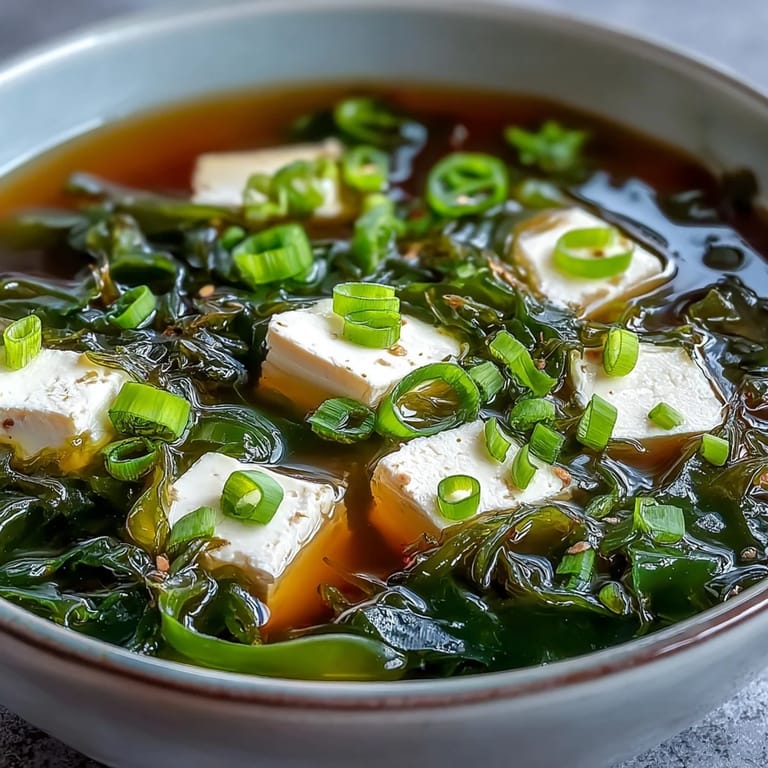
Save My neighbor handed me a steaming bowl of miso soup on a gray Tuesday morning, the kind where everything feels a bit too heavy until that first sip. The broth was impossibly clear, the tofu barely visible beneath the surface, and I remember thinking how something so simple could taste like it held secrets. That bowl changed how I approached cooking—sometimes the most nourishing meals whisper instead of shout.
I made this for my daughter when she was sick, and she asked for it three days in a row—not because it was fancy, but because it felt like I was doing something real for her. That's when I understood miso soup isn't just food; it's the sound of someone saying they care without having to say much at all.
Ingredients
- Dashi stock (4 cups): This is your foundation, and it matters more than you'd think—the clear, umami-rich broth is what makes this feel like the real thing, not a shortcut.
- White or yellow miso paste (3 tablespoons): The living heart of the soup; buy it from a place that treats it with respect, and keep it in a cool corner of your fridge.
- Silken tofu (200 g, cut into half-inch cubes): Silken is crucial here because it's delicate and custardy, nothing like the firm kind that would ruin the whole mood.
- Dried wakame seaweed (2 tablespoons): A five-minute soak brings it back to life, and it adds a mineral sweetness that ties everything together.
- Scallions (2, finely sliced): The final flourish that adds a fresh bite and reminds you this is alive, not just cooked.
Tired of Takeout? 🥡
Get 10 meals you can make faster than delivery arrives. Seriously.
One email. No spam. Unsubscribe anytime.
Instructions
- Start with a gentle simmer:
- Pour your dashi into a medium saucepan and let it warm over medium heat until tiny bubbles dance along the bottom—never a rolling boil, which would turn it cloudy and harsh.
- Wake up the seaweed:
- While the broth warms, submerge the wakame in cold water for five minutes; it'll unfurl like it's waking up from a long sleep, then drain it completely.
- Make your miso paste smooth:
- In a small bowl, take a ladleful of the hot dashi and whisk it slowly into the miso paste until you have something silky and lump-free—rushing this step leaves you with tiny miso pockets that never dissolve.
- Add the delicate ingredients:
- Gently lower the tofu cubes and wakame into the simmering broth and let them warm for just two or three minutes, moving carefully so the tofu stays whole and perfect.
- Finish without boiling:
- Remove the pot from heat and stir in your prepared miso paste—this is non-negotiable if you want to keep the probiotics alive and the flavor bright instead of cooked down.
- Serve right away:
- Ladle into bowls, scatter the fresh scallions on top, and bring them to the table while the warmth still rises from the surface.
 Save
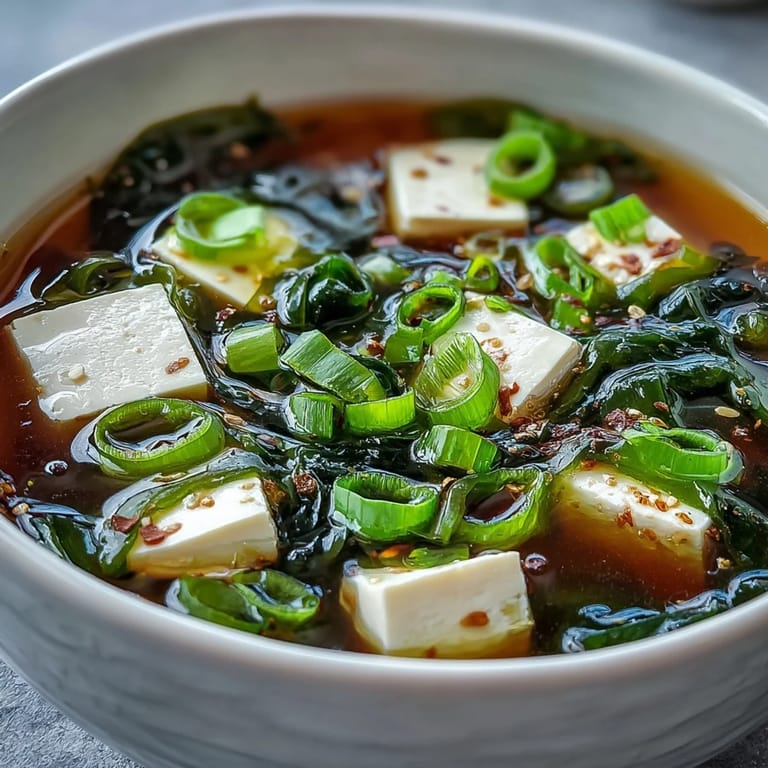
Save My friend who studied in Kyoto for a year taught me that miso soup is meant to be the first thing you taste in the morning in Japan, like a greeting from the kitchen to your body. Now whenever I make it, I feel a little closer to understanding that quiet, purposeful way of cooking.
The Soul of Japanese Breakfast
In Japan, miso soup isn't treated as an appetizer or a side dish—it's a ritual, the anchor that steadies your whole day. When you approach it that way, suddenly those 20 minutes feel meditative instead of rushed, and the simple act of stirring becomes a small ceremony.
Playing With Flavor Without Losing Balance
Once you master the basic version, the kitchen opens up—I've swapped in red miso for deeper earth tones, added shiitake mushrooms for a woodsy note, or thrown in soft spinach at the last second. The key is respecting the base so thoroughly that anything you add feels like an enhancement, not a distraction.
Small Changes That Matter
This soup teaches you something useful about cooking: sometimes restraint is its own kind of courage. Every ingredient here is visible when you look into the bowl, which means nothing is hiding and everything has to earn its place.
- Mix white and red miso together if you want a more complex flavor that feels less sweet and more grounded.
- Keep your dashi extra clean and clear by never letting it boil violently once the stock is made.
- Taste before serving and adjust the miso balance if needed—every brand tastes slightly different, so trust your own mouth.
 Save
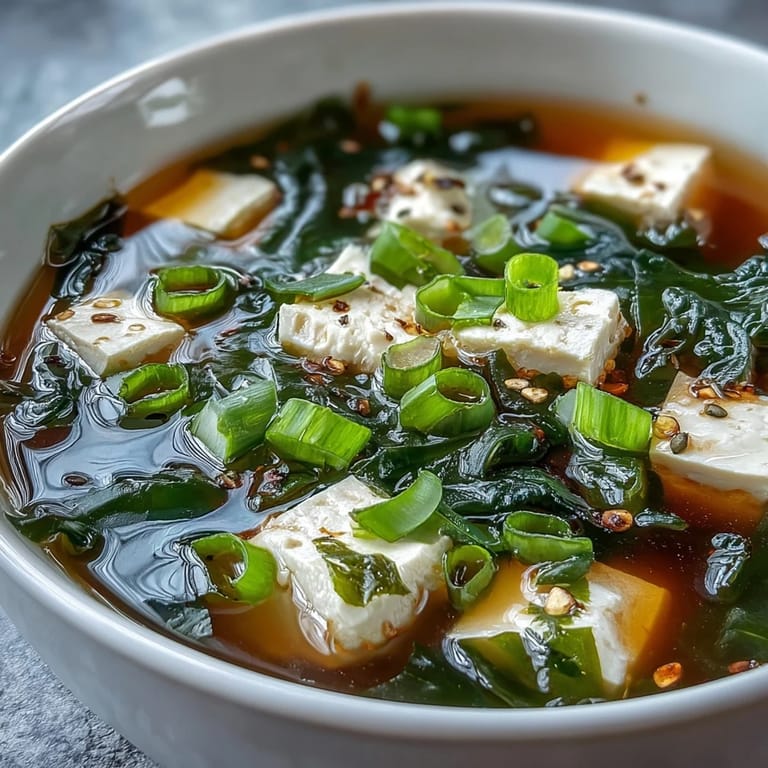
Save Miso soup is proof that the smallest meals often matter the most. Make it when someone needs comfort, make it when you need to be gentle with yourself, and watch how a simple bowl becomes something people remember.
Common Questions
- → What type of miso works best?
White or yellow miso paste offers a milder, slightly sweet flavor ideal for this soup. Red miso provides a deeper, more intense taste. Many cooks blend both varieties for balanced complexity.
- → Can I make this vegan?
Absolutely. Use kombu and shiitake-based dashi instead of traditional bonito stock. Most miso pastes are naturally plant-based, though always verify labels to ensure no fish-derived ingredients.
- → Why not boil the miso?
High heat destroys miso's beneficial probiotics and enzymes, while also creating a gritty texture. Always dissolve miso off-heat, whisking until smooth before incorporating it back into the warm broth.
- → How long does homemade soup keep?
Store cooled soup in an airtight container for 2-3 days maximum. The tofu texture may soften over time. Reheat gently without boiling to maintain miso's nutritional benefits.
- → What vegetables can I add?
Thinly sliced shiitake mushrooms, baby spinach, snow peas, or shredded carrots all work beautifully. Add heartier vegetables during simmering, but incorporate delicate greens after removing from heat.