 Save
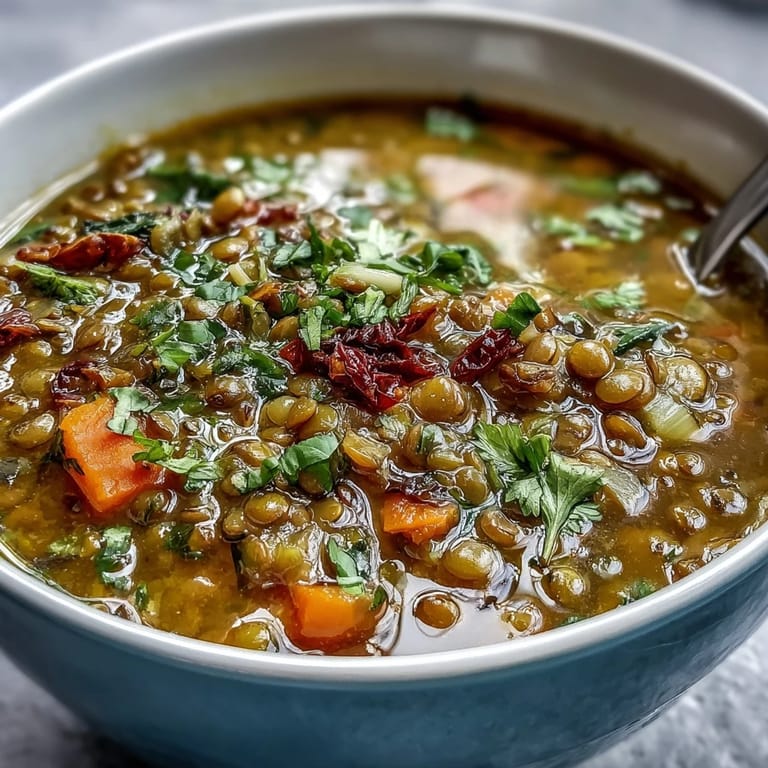
Save The gentle hum of my soup pot and the earthy aroma of mung beans always takes me back to that rainy Tuesday when I first learned to make this soup from my neighbor, Mrs. Patel. She knocked on my door with a steaming container and insisted I try it while explaining how her family had made mung bean soup for generations. The warming spices filled my kitchen as she guided me through each step, patiently showing me how to balance the flavors. Now, whenever the weather turns cool or I'm feeling under the weather, this is the first recipe I turn to.
Last winter, my sister called feeling miserable with a cold, and I immediately packed up a container of this soup and drove it to her house. Her face lit up at the first spoonful, and she called the next day saying it was the only thing that had made her feel human again. We still laugh about how she guarded the leftovers from her husband, hiding the container behind the almond milk where she knew he never looked.
Ingredients
- Mung beans: These little green powerhouses are incredibly digestible compared to other beans, and I discovered that soaking them makes them cook faster and become even more velvety.
- Cumin seeds: Toasting them whole before adding other ingredients releases their essential oils and creates a foundation of flavor that dried ground cumin simply cannot match.
- Fresh ginger: I keep mine in the freezer and grate it while frozen, which makes it easier to work with and somehow intensifies that zingy warmth.
- Turmeric: Beyond the gorgeous golden color it adds, this is what gives the soup its subtle earthy depth that balances the brightness of the lemon juice added at the end.
- Fresh cilantro: Dont skip this finishing touch, as the herbal brightness cuts through the richness and transforms the entire bowl.
Tired of Takeout? 🥡
Get 10 meals you can make faster than delivery arrives. Seriously.
One email. No spam. Unsubscribe anytime.
Instructions
- Toast those spices first:
- Heat your pot over medium heat and add the cumin seeds, giving them space to dance around until they become fragrant but not burnt. Youll know theyre ready when your kitchen fills with their nutty aroma.
- Build your aromatic base:
- Add the onion, garlic, and ginger, sautéing until the onions become translucent and your kitchen smells like heaven. This foundation carries through the entire soup.
- Layer in vegetables:
- Toss in the carrots and celery, cooking just long enough to wake up their flavors without making them mushy. They should still have a slight firmness as they continue cooking in the broth later.
- Bloom your spice blend:
- Stir in turmeric, coriander, black pepper, cinnamon, and bay leaf, cooking just for a minute to release their essential oils. Watch for that moment when the spices become intensely fragrant but before they can burn.
- Simmer to perfection:
- Add your soaked mung beans, tomato, and broth, then bring to a boil before reducing to a gentle simmer. Patience is key here as the slow cooking allows the beans to break down just enough while the flavors meld together.
- Finish with brightness:
- Remove from heat, take out the bay leaf, then add salt and lemon juice to taste. The acid from the lemon awakens all the flavors and brings everything into balance.
 Save
Save I remember bringing this soup to a potluck where someone was newly vegan and feeling overwhelmed by their dietary change. They approached me later with tears in their eyes, saying they had worried about missing comfort foods but this soup made them realize they could still enjoy deeply satisfying meals. We ended up exchanging numbers and cooking together several times after, all because of this simple pot of mung beans.
Making It Your Own
The beauty of this soup lies in its adaptability, something I discovered during a snowstorm when I was low on fresh produce. Ive made versions with sweet potatoes instead of carrots, spinach added in the last few minutes of cooking, and even blended half the soup for a creamier texture. Each variation has its own personality while maintaining that core nourishing quality that makes this recipe so special.
Serving Suggestions
While perfectly satisfying on its own, this soup transforms into a feast when paired with warm naan bread for scooping or ladled over a small mound of basmati rice. My personal favorite discovery was adding a dollop of plain yogurt on top, where it melts into creamy swirls that cool each spoonful just enough. For guests who enjoy heat, I place a small dish of sliced green chilis on the table for customizing their bowls.
Storing and Reheating
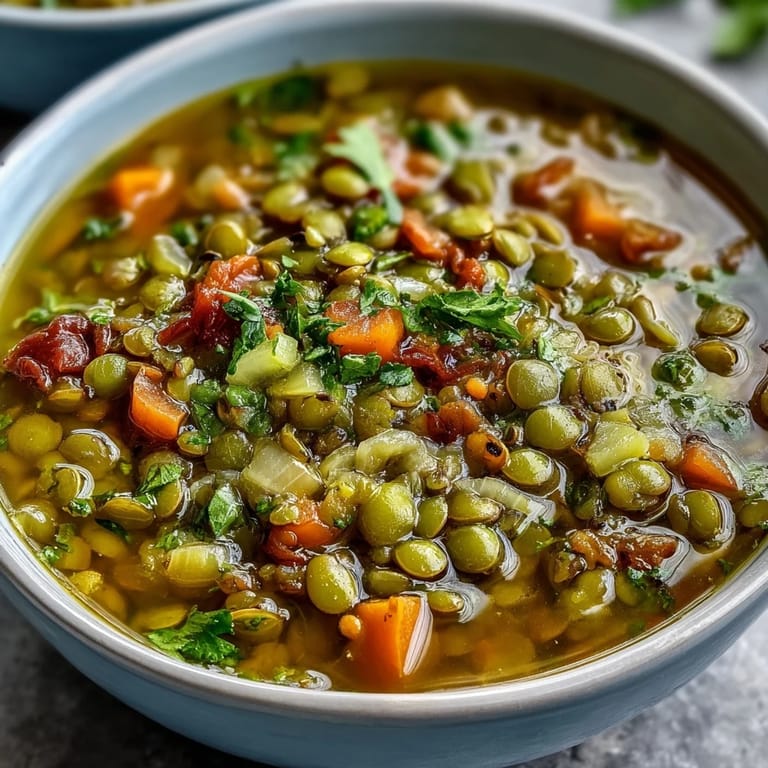
This soup actually improves with time as the flavors continue to develop, making it perfect for meal prep or batch cooking. The first time I made a double batch and froze individual portions, I was skeptical it would maintain its texture, but was delighted to find it reheated beautifully even months later.
- Refrigerate cooled soup in airtight containers for up to 5 days, adding a splash of water when reheating if it has thickened too much.
- For freezing, leave about an inch of space at the top of your container as the soup will expand slightly when frozen.
- Reheat frozen soup by thawing overnight in the refrigerator or using the defrost setting on your microwave before warming completely.
 Save
Save This humble mung bean soup has taught me that true nourishment comes not just from ingredients but from the intention behind our cooking. Each time you make it, youre continuing a tradition of healing that spans cultures and generations.
Common Questions
- → Do I need to soak mung beans before cooking?
Yes, soaking dried mung beans for 2 hours before cooking helps them cook evenly and reduces simmering time. This step also makes them easier to digest and ensures a creamy texture in your finished soup.
- → Can I use green mung beans instead of yellow?
Yes, you can use either variety. Green mung beans have a slightly earthier flavor and may require 5-10 minutes additional cooking time. Yellow mung beans (split and hulled) cook faster and create a smoother consistency.
- → How long does this soup keep in the refrigerator?
Stored in an airtight container, this soup keeps well for 4-5 days in the refrigerator. The flavors often develop and deepen after a day or two. Reheat gently on the stovetop, adding a splash of water or broth if needed to adjust consistency.
- → Can I freeze this soup?
Absolutely. This soup freezes beautifully for up to 3 months. Let it cool completely before transferring to freezer-safe containers. Thaw overnight in the refrigerator and reheat on the stovetop. The beans may absorb more liquid during freezing, so add extra broth when reheating.
- → What can I serve with this soup?
Warm naan bread, steamed basmati rice, or roti make excellent accompaniments. For a lighter option, serve with crusty whole-grain bread. A simple side of cucumber raita or pickled vegetables adds refreshing contrast to the warming spices.
- → How can I make this soup creamier?
For added richness, stir in 1/4 cup of coconut milk during the final 10 minutes of cooking. Alternatively, you can mash a portion of the cooked beans against the side of the pot to naturally thicken the broth, or purée half the soup and return it to the pot.