 Save
Save The first time I encountered Shuwa, it wasn't in my own kitchen but in a friend's home in Muscat, where the aroma of cloves and cardamom seemed to seep through the walls themselves. She pulled back banana leaves from a roasting pan like opening a treasure chest, and the meat inside was so tender it barely needed the knife. That moment sparked an obsession—I had to learn to recreate that magic at home, discovering that slow cooking and patience could transform simple spices and meat into something genuinely transcendent.
I remember the skepticism in my partner's eyes when I said we'd be waiting overnight for meat to marinate, then six hours more in the oven. But when we finally unwrapped it together and the meat fell apart at the gentlest touch, that doubt melted faster than the collagen in the bones. We stood there in the kitchen at dusk, forks in hand, tasting something that felt like it came straight from an ancient feast.
Ingredients
- Bone-in lamb shoulder or leg (2.5 kg): Bones flavor the cooking liquid and keep meat incredibly moist; lamb's richness is what Shuwa is built for, though beef or goat work beautifully too.
- Garlic paste (4 tbsp): Fresh minced garlic penetrates deeper than powder and creates tiny pockets of flavor throughout the meat.
- Ginger paste (2 tbsp): The heat and brightness here balance the warming spices and prevent the dish from feeling too heavy.
- Ground coriander (2 tbsp): This is your backbone spice—floral and subtle, it keeps everything from tasting one-dimensional.
- Ground cumin (1.5 tbsp): Earthy warmth that bridges the lighter and heavier spices into harmony.
- Ground cinnamon (1 tbsp): A whisper of sweetness that deepens as the meat cooks; don't skip it thinking it's too subtle.
- Ground cardamom (1 tbsp): This is the spice that makes people stop and ask what that incredible flavor is.
- Ground black pepper (1 tbsp): Sharp enough to cut through richness and remind your palate you're alive.
- Ground cloves (2 tsp): The wild card—use a light hand but don't eliminate it, as it adds mysterious depth.
- Paprika (2 tsp): Gentle color and a whisper of earthiness without heat.
- Turmeric (1 tsp): Anti-inflammatory and adding golden warmth to the spice profile.
- Chili powder (2 tsp): Adjust this to your comfort level; it builds warmth rather than immediate fire.
- Salt (2 tsp): Essential for penetration; the marinade needs to taste almost aggressive to properly season meat this size.
- White vinegar (1/4 cup): Acidity helps tenderize and brightens the heavy spices.
- Vegetable oil (1/4 cup): Carries fat-soluble spices into the meat and prevents sticking during cooking.
- Lemon juice (from 2 lemons): Fresh citrus cuts richness and adds complexity that aged vinegar cannot.
- Banana leaves (4–6 large): Washed and patted dry, they wrap the meat like edible parchment and impart subtle fragrance; they're not just wrapping—they're part of the flavor.
Tired of Takeout? 🥡
Get 10 meals you can make faster than delivery arrives. Seriously.
One email. No spam. Unsubscribe anytime.
Instructions
- Compose the spice marinade:
- Whisk together all marinade ingredients—garlic, ginger, and every spice—in a large bowl until you have a thick, fragrant paste that clings to the spoon. Smell it closely; this mixture should make you curious about what's coming next.
- Score and coat the meat:
- Using a sharp knife, cut deep slashes about 1.5 inches apart across the entire surface of the lamb, angling slightly to open pockets where the marinade can hide. Work the paste into every crevice with your hands, coating thoroughly and rubbing upward into the cuts with genuine intention.
- Let time do its magic:
- Cover the bowl tightly with plastic wrap and refrigerate for 8 to 24 hours; overnight is ideal, but longer is even better as the spices continue to penetrate and the acid begins breaking down connective tissue. This patience is non-negotiable—it's where tenderness actually happens.
- Heat your oven:
- Preheat to 160°C (320°F) about 30 minutes before cooking, giving it time to reach a steady, gentle temperature that will never shock the meat.
- Wrap with banana leaves:
- Remove the marinated meat from the refrigerator and lay out your banana leaves on a clean surface. Place the meat in the center and wrap tightly, overlapping leaves to create a complete seal; secure with kitchen twine or wrap the entire bundle in heavy-duty foil for an extra barrier.
- Settle in for the long cook:
- Place the wrapped meat in a deep roasting pan, cover with a lid or seal tightly with foil, and place in the oven. Set a timer for 4 to 6 hours; the meat is done when a fork penetrates the thickest part with almost no resistance and the meat wants to fall apart.
- Unwrap and finish:
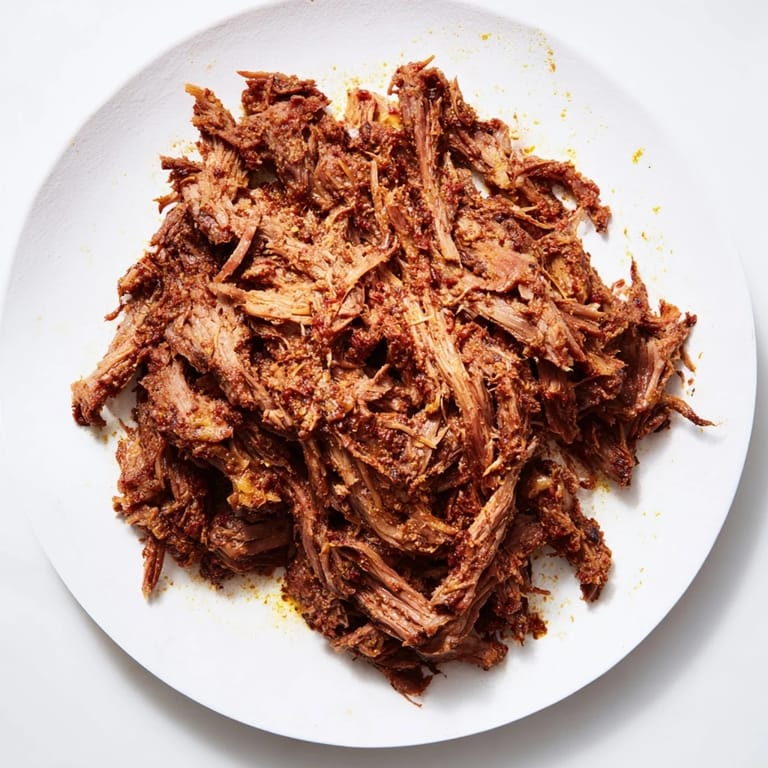
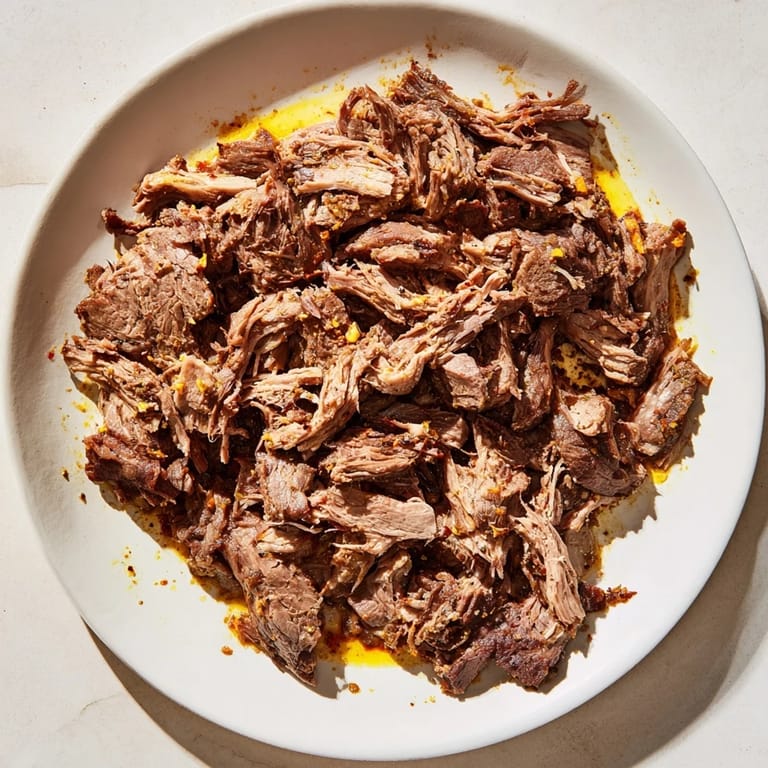
- Carefully open the banana leaves—watch for steam—and transfer the meat to a serving platter, or shred it directly in the pan, capturing every drop of those precious cooking juices. The meat should be so tender that vigorous cutting feels almost disrespectful.
 Save
Save There's a moment when you first open that banana leaf package and steam rises with the scent of a dozen spices released all at once. I watched my mother-in-law inhale deeply and close her eyes, and I finally understood that Shuwa isn't just food—it's a ritual, a way of saying time and care are being invested in the people you feed.
The Underground Tradition and Your Home Adaptation
Traditionally, Shuwa is cooked in an underground sand oven dug specially for feast days, where meat cooks gently in radiant heat for hours. Your home oven recreates this environment faithfully—the low, steady temperature and enclosed space mimic that buried pit remarkably well. This method is authentic in spirit, even if it trades sand and earth for stainless steel and tiles.
Building Flavor Beyond the Marinade
The spice blend here isn't random; each spice plays a specific role in the orchestra. Cardamom and cinnamon add warmth and sweetness, cumin and coriander provide earthiness, while cloves and black pepper keep your palate awake. The longer the meat cooks, the more these spices meld into a single, unified flavor rather than distinct tastes—this is why patience rewards you here.
Serving and Pairing Ideas
Shuwa traditionally arrives at the table with spiced rice, a bright salad to cut richness, and cool yogurt sauce as a gentle counterpoint. The meat's richness demands something acidic or cool beside it, and flatbread becomes an edible spoon for the precious cooking juices pooling on each plate. Some people serve it simply with just rice and fresh lemon wedges—let the meat speak.
- A cucumber and tomato salad dressed with lime juice and fresh mint provides the refresh your palate needs between bites.
- For extra smokiness and texture, briefly sear the shredded meat under the broiler or on a hot skillet before serving, though this is entirely optional.
- Any leftover meat shreds beautifully into sandwiches or grain bowls the next day, tasting even better as flavors continue to develop.
 Save
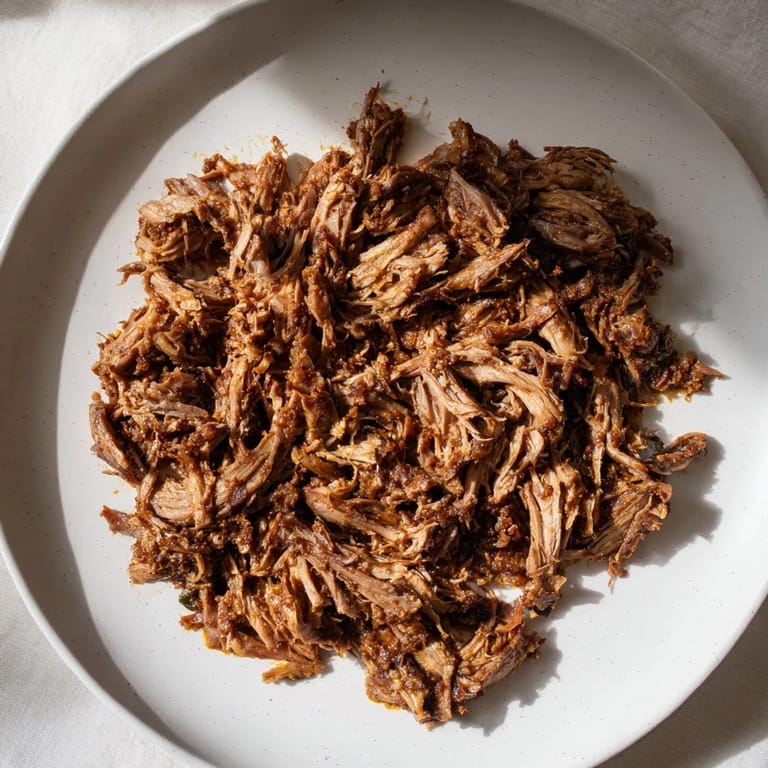
Save Once you've made Shuwa, you'll understand why it's reserved for celebrations and gatherings—this isn't quick weeknight cooking, but it's the kind of dish that transforms a simple dinner into an occasion. The reward for your patience is meat so tender and flavorful that every single bite feels like a small gift.
Common Questions
- → What type of meat works best for Omani Shuwa?
Lamb shoulder or leg with bone-in is traditional for rich flavor and tenderness, though beef or goat can be used as alternatives.
- → How long should the meat marinate?
Marinate the meat between 8 to 24 hours to allow the spices and garlic to deeply penetrate and tenderize.
- → Why are banana leaves used in cooking?
Banana leaves help seal in moisture and infuse a subtle earthy aroma, enhancing the overall flavor during slow cooking.
- → Can I substitute banana leaves if unavailable?
Parchment paper or heavy-duty foil can be used, but banana leaves provide a unique flavor and aroma that alternatives lack.
- → What is the recommended cooking temperature and time?
Roast the wrapped meat at 160°C (320°F) for 4 to 6 hours until the meat is very tender and falls off the bone.
- → How should Omani Shuwa be served?
Serve shredded or carved with spiced rice, salad, or yogurt sauce for a balanced and aromatic meal.