 Save
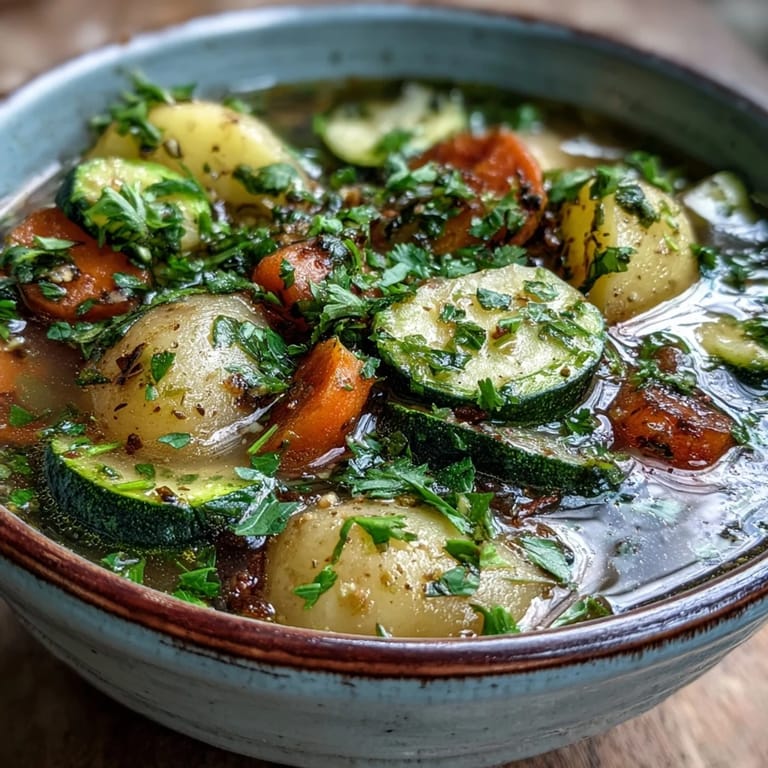
Save The smell of potato soup simmering on the stove takes me back to a particularly harsh winter when our power went out during an ice storm. With a camping stove and whatever vegetables we had in the pantry, this soup became our unexpected comfort. The kitchen windows fogged up as we huddled around the small flame, chopping vegetables by candlelight and laughing despite the circumstances.
Last autumn, I made this soup for my neighbor who was recovering from surgery. When I dropped it off, she insisted I stay for a bowl. We sat at her kitchen table watching golden leaves drift past the window, steam rising from our spoons, and somehow the conversation flowed more easily with each comforting bite.
Ingredients
- Potatoes: I prefer Yukon Golds for their buttery flavor and the way they slightly break down to thicken the broth without turning to complete mush.
- Vegetable stock: Once I accidentally bought low sodium stock and the soup tasted flat, so now I make sure to taste and adjust seasoning if using reduced sodium varieties.
- Frozen peas: Adding these at the very end preserves their bright color and satisfying pop, a trick my grandmother taught me that makes all the difference.
- Bay leaf: It might seem small, but forgetting this subtle aromatic element once made me realize how much depth it actually contributes to the background flavor.
Tired of Takeout? 🥡
Get 10 meals you can make faster than delivery arrives. Seriously.
One email. No spam. Unsubscribe anytime.
Instructions
- Create the flavor foundation:
- Heat olive oil until it shimmers, then add your onion, carrots, and celery, letting them sizzle and soften for 5 minutes. The kitchen will start filling with that wonderful aromatic base that makes everything smell like home.
- Add the garlic:
- Stir in minced garlic and cook just until fragrant, about one minute. Be vigilant here as garlic can burn quickly and turn bitter.
- Build your vegetable layers:
- Tumble in the potatoes, green beans, and zucchini, giving everything a good stir to coat with oil. This quick toss before adding liquid helps lock in flavors.
- Pour in the liquid:
- Add your vegetable stock along with the bay leaf, thyme, parsley, salt, and pepper. Watch as the broth bubbles up around the colorful vegetables.
- Simmer to tenderness:
- Let everything bubble gently for 20-25 minutes with the lid on, creating a sauna for your vegetables. Check a potato piece with a fork for tenderness before moving to the next step.
- Finish with freshness:
- Stir in those bright green frozen peas and let them warm through for just 2-3 minutes. Their pop of color transforms the whole pot.
- Serve with love:
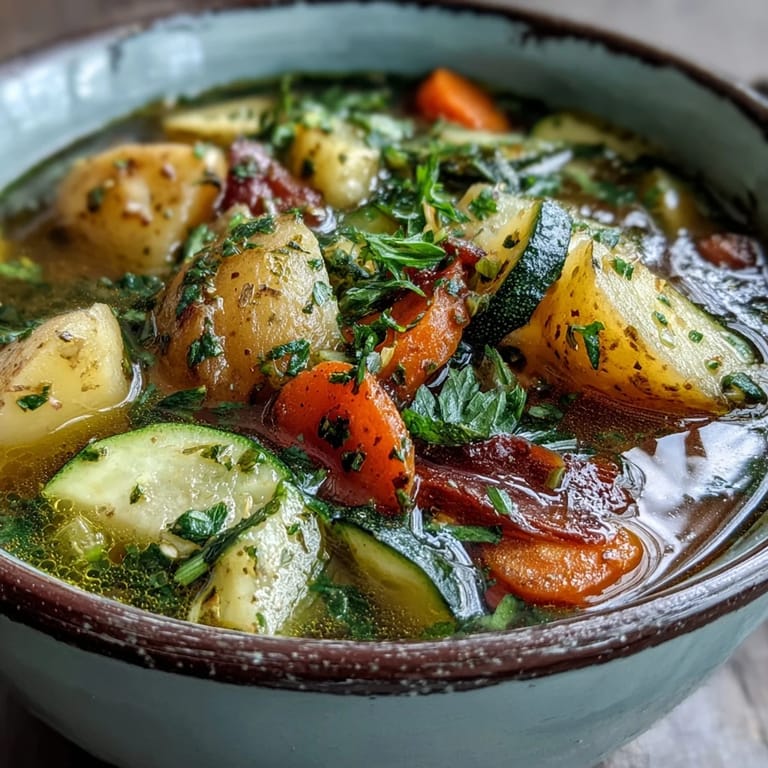
- Ladle the steaming soup into bowls, sprinkle with fresh parsley if you have it, and watch smiles appear with the first spoonful.
 Save
Save 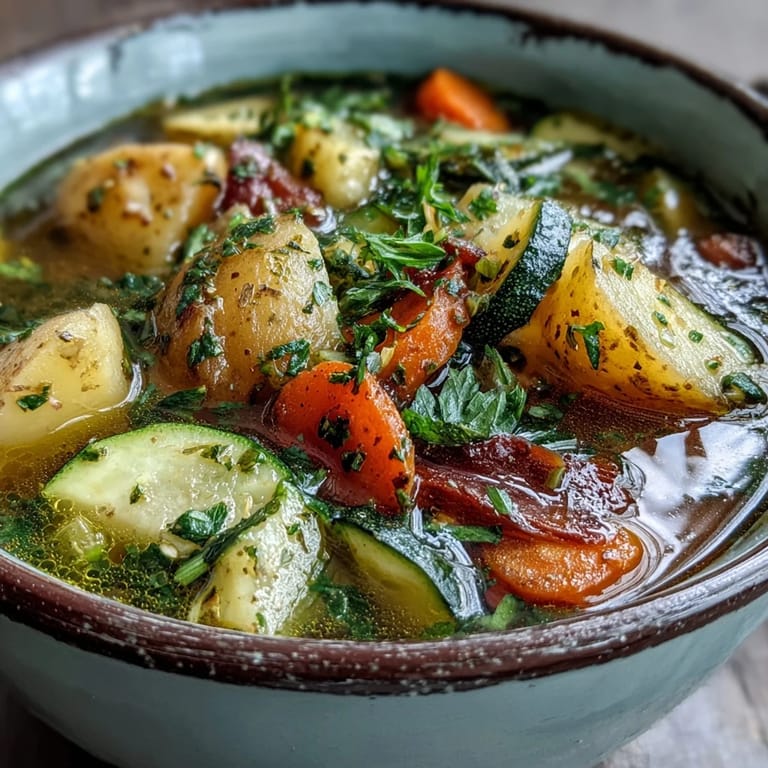 Save
Save One rainy Sunday, my friend called feeling under the weather, so I packed up a thermos of this soup and drove it to her house. Later she texted that it was like a warm hug in a bowl, which made me realize how food connects us in ways words sometimes cant. The simple act of sharing this soup had brightened her day more than I expected.
Making It Your Own
The beauty of this soup lies in its flexibility. Ive made it with sweet potatoes during fall harvests, tossed in handfuls of spinach in springtime, and even added corn cut straight from the cob in summer. Each version tells the story of the season, adapting to what nature offers while maintaining that comforting, familiar base.
Serving Suggestions
Theres something magical about dunking crusty sourdough bread into this soup, watching it soak up the flavorful broth. For a complete meal, I often serve it with a simple side salad dressed with lemon and olive oil to brighten the palate. The contrast between warm soup and cool, crisp greens creates a perfect balance that satisfies without overwhelming.
Storage and Leftovers
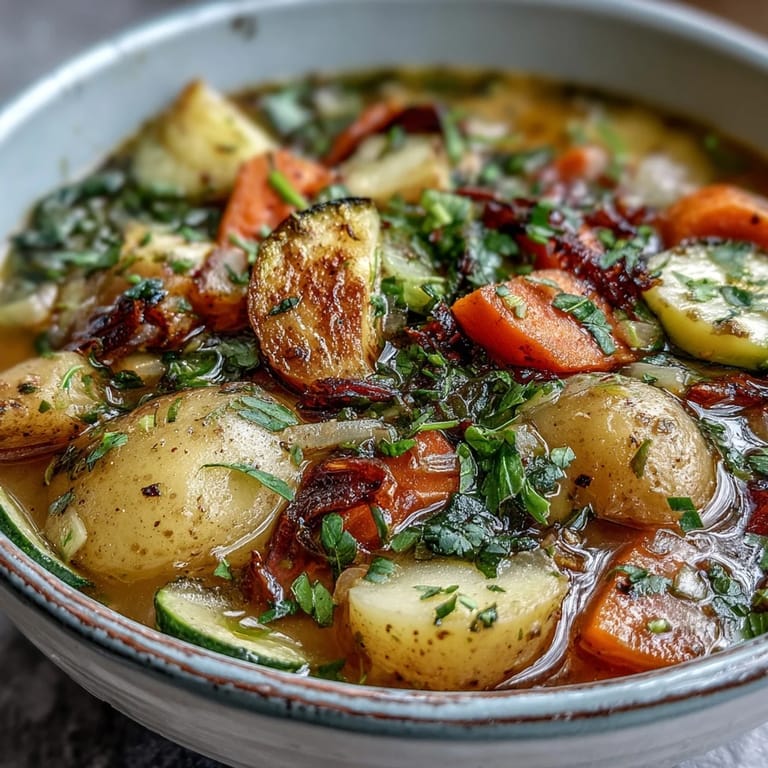
This soup actually improves overnight as the flavors meld together in the refrigerator. The potatoes continue to release their starch, creating an even silkier texture by the next day.
- Store leftovers in airtight containers in the refrigerator for up to 4 days, allowing quick reheating for impromptu lunches.
- For freezing, leave out the potatoes as they can become grainy when thawed, or accept a slightly different texture upon reheating.
- Rejuvenate day-old soup with a squeeze of lemon juice and fresh herbs just before serving.
 Save
Save 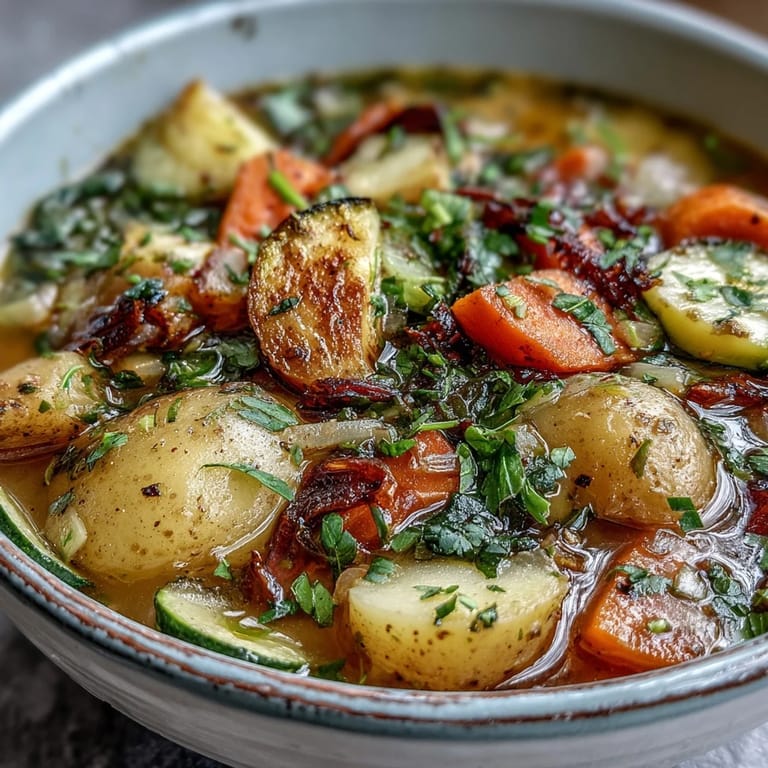 Save
Save This humble potato soup reminds us that the most comforting foods dont need to be complicated. Its a recipe that welcomes imperfection and adapts to what you have, much like life itself.
Common Questions
- → Can I make this soup ahead of time?
Yes, this soup actually tastes better the next day as flavors have time to meld together. Store in an airtight container in the refrigerator for up to 4 days. Reheat gently on the stovetop, adding a splash of stock if needed.
- → What other vegetables work well in this soup?
You can easily customize with seasonal vegetables like corn, spinach, kale, tomatoes, or bell peppers. Root vegetables like parsnips or turnips also work beautifully. Add hearty vegetables earlier in cooking and delicate greens like spinach in the last few minutes.
- → How can I make this soup more filling?
Stir in a can of drained beans like cannellini or kidney beans during the last 10 minutes of cooking. You can also add small pasta shapes, rice, or serve with crusty bread. A splash of cream or grated cheese adds richness if desired.
- → Can I freeze this soup?
Yes, freeze cooled soup in freezer-safe containers for up to 3 months. Leave some space as liquid expands when frozen. Thaw overnight in the refrigerator and reheat on the stovetop. Note that potatoes may become slightly softer after freezing.
- → What's the best way to achieve the most flavorful broth?
Use high-quality vegetable stock as the base, preferably homemade or low-sodium store-bought. Sautéing the onions, carrots, and celery first builds a flavor foundation. Letting the soup simmer gently rather than boil vigorously allows flavors to develop more deeply.