 Save
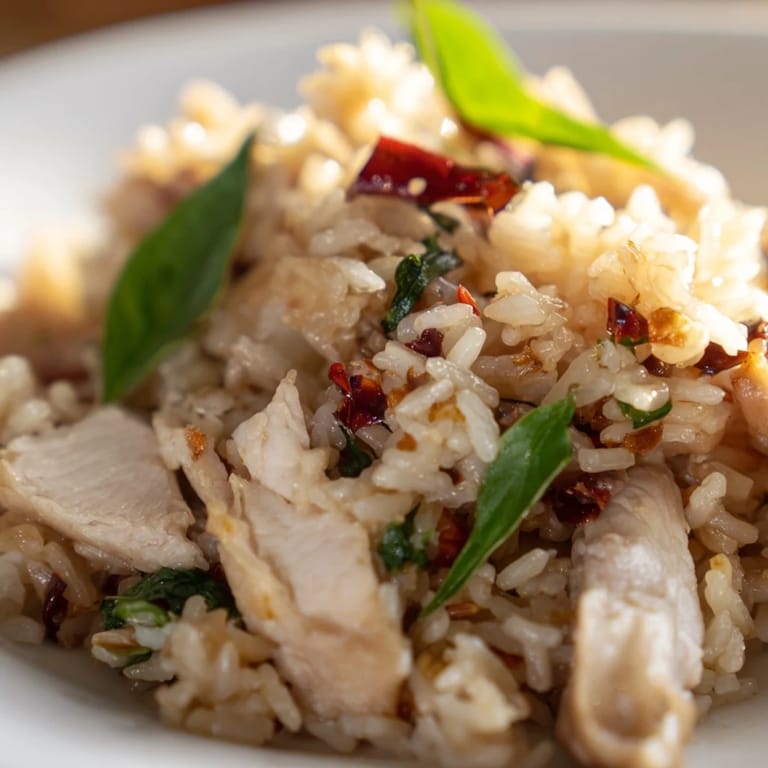
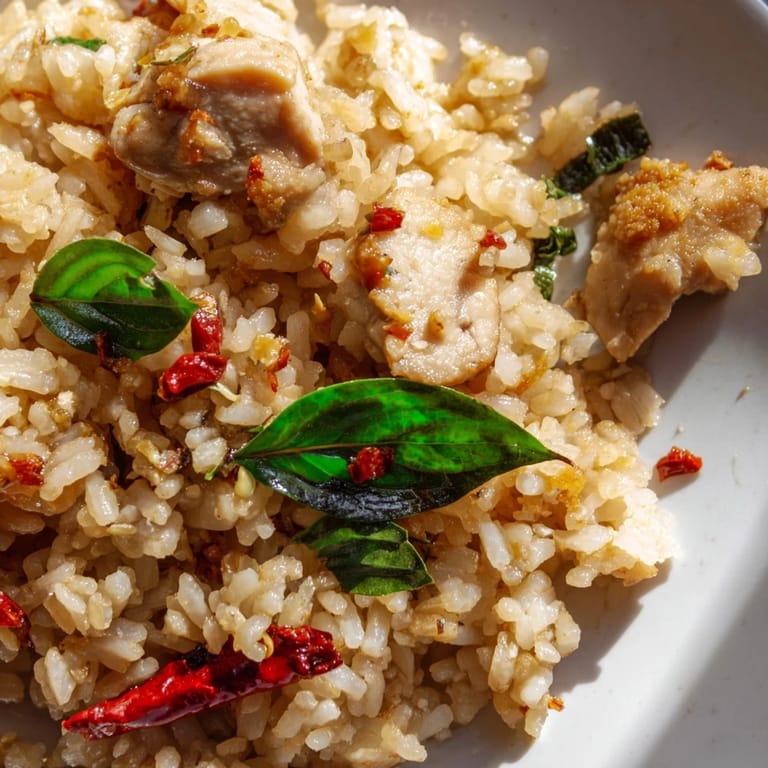
Save There's a particular chaos to cooking Thai basil chicken fried rice that I've come to love—the kind where your kitchen fills with garlic and chili smoke before you've even added the rice, and you're moving so fast that you nearly forget which sauce bottle is which. The first time I made this properly was at 6 PM on a weeknight when I had three hungry people sitting at my counter, no takeout budget, and a container of day-old jasmine rice that felt like a gift. Twenty minutes later, the basil had wilted into the warm rice, lime juice was being squeezed over everything, and I realized I'd just cooked something faster and more impressive than any phone order could have delivered.
I made this for a friend who'd just moved to the neighborhood, and we ate it standing at her kitchen counter surrounded by unopened boxes, and she said it tasted like how she remembered Bangkok smelling. That's when I understood this wasn't just a quick rice dish—it was a way to transport someone, even if just for one meal.
Ingredients
- Boneless, skinless chicken thighs or breasts, 400 g, thinly sliced: Thighs stay more tender even if you overcook them slightly, though either works; slice them thin so they cook through in just a few minutes without drying out.
- Cooked jasmine rice, 4 cups (preferably day-old): Day-old rice has dried out slightly, which means each grain stays separate and doesn't clump; fresh rice will steam together and create a mushy texture you don't want.
- Medium onion, finely chopped: The fineness matters because you want it to almost disappear into the rice, adding sweetness and softness rather than chunks.
- Garlic, 3 cloves, minced: This is your flavor foundation, so don't skip the mincing step—it distributes evenly and blooms immediately in the hot oil.
- Thai red chilies, 2–3, finely sliced: These are hotter than jalapeños and provide both heat and a subtle fruity undertone; taste one before committing if you're unsure about spice levels.
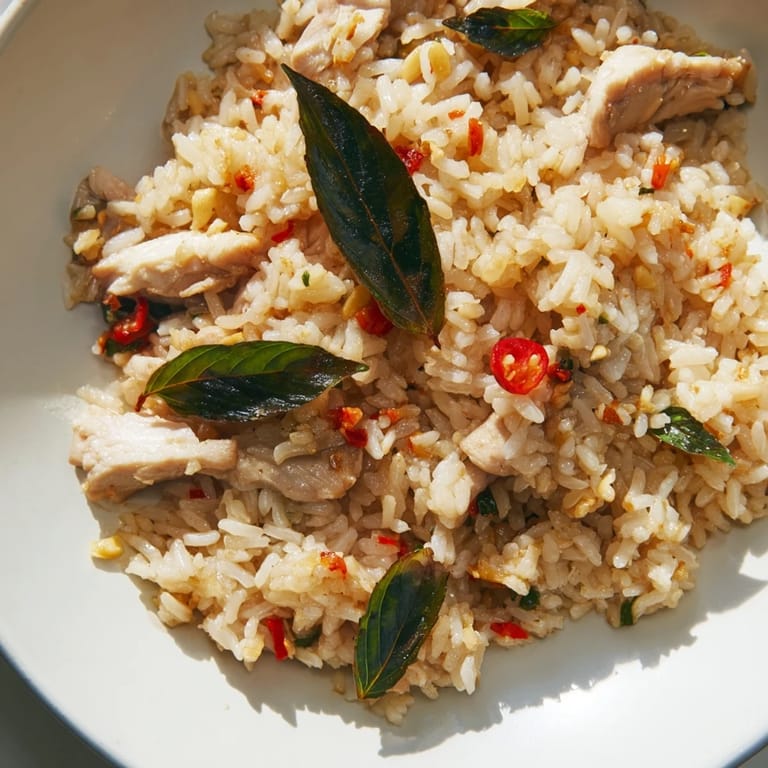
- Holy basil leaves, 1 cup: This is non-negotiable for authentic flavor—it's peppery and slightly sweet, nothing like Italian basil; if you absolutely can't find it, Thai basil is the only acceptable substitute.
- Red bell pepper, 1 medium, sliced (optional): Add it for sweetness and color, but it's truly optional and the dish is perfect without it.
- Soy sauce, 2 tbsp: This is your salt and umami anchor; use a good quality one, not the ultra-cheap bottles that taste flat.
- Oyster sauce, 1 tbsp: This adds depth and a subtle sweetness that balances the heat; it's a Thai kitchen staple for good reason.
- Fish sauce, 1 tbsp: Yes, it smells funky in the bottle, but it transforms once cooked and is absolutely essential for authentic Thai flavor.
- Sugar, 1 tsp: Just a whisper of sweetness to balance the salt and spice.
- White pepper, ½ tsp: This has a slightly different heat profile than black pepper and feels more delicate in this dish.
- Vegetable oil, 2 tbsp: You need enough oil for the rice to glisten and the garlic to bloom; don't skimp here.
- Lime wedges and sliced cucumber for garnish: These aren't decorative—the lime's brightness cuts through the richness, and the cucumber's coolness is essential to the eating experience.
Tired of Takeout? 🥡
Get 10 meals you can make faster than delivery arrives. Seriously.
One email. No spam. Unsubscribe anytime.
Instructions
- Get your wok screaming hot:
- Heat the vegetable oil in a large wok or skillet over high heat until you see wisps of smoke—this matters because you want that initial sear on the chicken and garlic to happen fast. If the wok isn't hot enough, everything will steam rather than fry.
- Bloom the aromatics:
- Add the minced garlic and sliced chilies; stir-fry for exactly 30 seconds until the smell hits you—that's your signal they've released their oils into the hot pan. Any longer and the garlic burns, which creates a bitter note that ruins everything.
- Cook the chicken through:
- Add the sliced chicken and toss constantly for 3–4 minutes until it turns opaque and cooked through; you're looking for no pink inside, but you don't need it to brown heavily. Move quickly so nothing sits still long enough to stick.
- Soften the vegetables:
- Stir in the finely chopped onion and bell pepper if using, cooking for another 2 minutes until they start to soften but still have a bit of texture. The onion will become slightly translucent and sweet.
- Break up and heat the rice:
- Add the cooked jasmine rice, using a spatula to break up any clumps as you toss it through the hot pan; this takes about 2 minutes and you'll hear the rice crackling slightly. Each grain should separate and warm through.
- Season and coat:
- Pour in the soy sauce, oyster sauce, fish sauce, sugar, and white pepper all at once, then toss everything together for another 1–2 minutes until the rice is evenly coated and the sauces have heated through. You should see a slight sheen on the rice and smell that incredible umami-forward aroma.
- Finish with fresh basil:
- Remove from heat and fold in the holy basil leaves gently, stirring just until they're wilted into the warm rice; the residual heat will finish them without them turning dark or losing their flavor. This step takes maybe 20 seconds.
- Serve immediately:
- Plate it up right away while everything is still hot, with lime wedges and cucumber slices on the side for people to add as they like.
 Save
Save I once made this on a random Tuesday for my roommate who'd had a terrible day, and watching her take the first bite and close her eyes while she chewed felt like I'd done something meaningful. That's when I realized food isn't just about feeding people; it's about acknowledging that they're in your space and deserve something made with intention.
The Magic of Day-Old Rice
There's a reason Thai restaurants never use fresh rice for fried rice—it's not snobbery, it's physics. When rice is freshly cooked, the grains are still holding moisture and they cling together stubbornly, steaming rather than frying. Day-old rice has had time to dry out slightly in the refrigerator, so each grain separates cleanly and gets coated evenly in the sauce and oil. I learned this the hard way by trying to rush the process with warm rice from the cooker, and it turned into a clumpy mess that I had to salvage by adding more soy sauce. Now I always cook rice the day before, store it in a shallow container uncovered so air can circulate, and I know dinner will turn out right.
Holy Basil Isn't Negotiable
The first time I couldn't find holy basil, I substituted regular Italian basil from my garden, thinking it would be fine. It was absolutely not fine—the dish tasted like fried rice with garden basil instead of distinctly Thai fried rice. Holy basil has a peppery, slightly licorice-forward flavor that can't be replicated, and it's what makes this dish feel special rather than just another stir-fry. Thai basil is an acceptable substitute if you're in a pinch, but regular supermarket basil will disappoint you. Most Asian markets carry fresh holy basil year-round, often for just a few dollars, so seek it out.
This recipe is genuinely flexible, which is why it became my go-to when I didn't know what people wanted to eat. Shrimp cooks in the same time as chicken so that's seamless, tofu needs a quick press and you'll want to pan-fry it separately first so it doesn't fall apart, and pork works beautifully especially if you use slightly fattier cuts. For heat, start with 2 chilies if you're cooking for mixed tolerance levels, taste a tiny piece of the cooked rice, and you can always stir in more chili oil at the table. I keep a small bottle of it on the counter now because everyone's heat tolerance is different, and this way people can adjust their own plate.
- If you're using shrimp, slice it in half lengthwise so it cooks through in 2–3 minutes without toughening.
- Tofu should be pressed and cubed, then quickly pan-fried in a separate pan before adding to the fried rice so it stays intact.
- The three Thai chilies are fairly hot, so dial it back to two if you're unsure about your crowd's tolerance.
 Save
Save This dish has taught me that some of the best meals come together in twenty minutes with ingredients that don't require a special trip to the store. It's become my answer to the question "What are we eating tonight?" when the answer needs to be both fast and impressive.
Common Questions
- → Can I use fresh basil instead of holy basil?
While fresh basil will work in a pinch, holy basil provides a distinctive peppery and slightly licorice-like flavor that's essential to authentic Thai cooking. Thai basil is a closer substitute and more readily available. Add basil just before serving to preserve its aromatic qualities.
- → Why should I use day-old rice?
Day-old rice has dried out slightly, making each grain separate and fluffy when stir-fried. Fresh, warm rice tends to clump together and become mushy. If you only have fresh rice, spread it on a plate and refrigerate for a few hours to dry it out before cooking.
- → How do I adjust the spice level?
Start with 2 Thai red chilies and add more based on your heat preference. Remove the seeds for milder heat or keep them for extra spice. A drizzle of chili oil at the end also adds depth without overwhelming the other flavors.
- → What proteins work as substitutes for chicken?
Shrimp, tofu, pork, and beef all work beautifully in this dish. Use the same weight of protein and adjust cooking time accordingly—shrimp cooks quickly in 2-3 minutes, while tofu needs just heating through.
- → Can I prepare this dish ahead of time?
It's best served immediately after cooking to preserve the basil's aroma and the rice's texture. However, you can prepare all ingredients in advance and cook when ready. Store leftovers in an airtight container for up to 3 days and reheat in a wok with a splash of water.
- → What sauces are essential for authentic flavor?
The trio of soy sauce, oyster sauce, and fish sauce is fundamental to Thai cooking. Together they create umami depth and saltiness that traditional fried rice depends on. Fish sauce in particular adds authentic Thai character, though it may smell strong before cooking.