 Save
Save My neighbor stopped by on a Sunday morning with a basket of vegetables from her garden, and I had no idea what to do with half of them. She mentioned her go-to frittata, and something about the ease of it stuck with me, so I threw everything into a skillet that afternoon. That golden, puffy creation that emerged from the oven felt like magic, and now it's become my answer to almost every meal dilemma. Whether I'm feeding unexpected guests or just tired from a long week, this dish quietly saves the day.
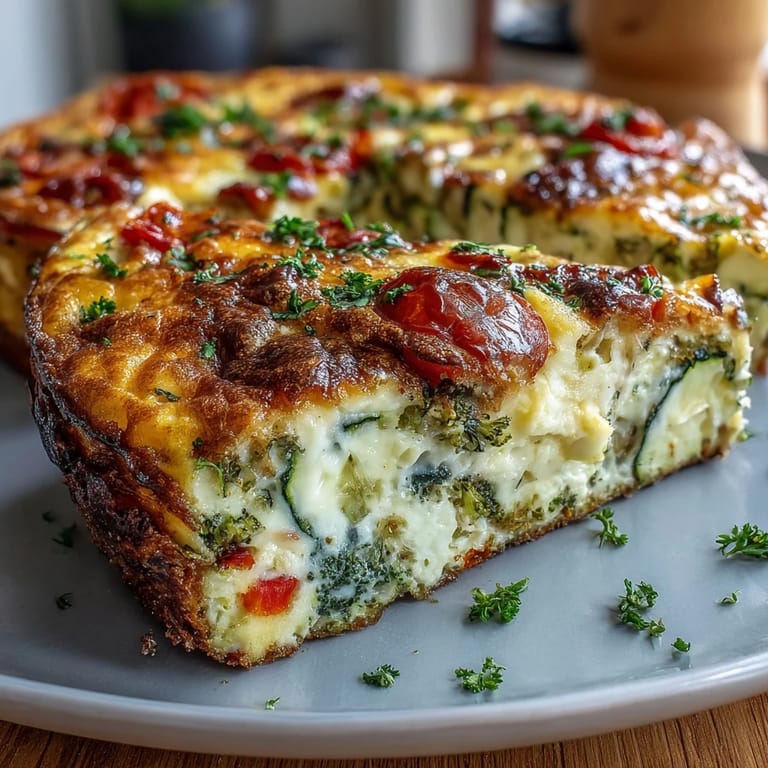
The first time I made this for my book club, I panicked halfway through wondering if the center would actually set, but it emerged from the oven with this beautiful golden top that made everyone stop talking. One friend asked for the recipe immediately and texted me a photo weeks later of her own frittata. That's when I realized this wasn't just a recipe, it was something that gave other people confidence in their kitchens too.
Ingredients
- Broccoli florets: Choose crowns that are tight and dark green, as they hold their shape better than the pale ones sitting in the back of your produce drawer.
- Red bell pepper: The sweetness balances the earthiness of other vegetables, and the color makes the finished dish impossibly pretty.
- Zucchini: Slice it thin so it softens without turning into mush, giving you tender bites instead of watery disappointment.
- Cherry tomatoes: Their sweetness concentrates when halved, and they burst gently as the frittata cooks.
- Red onion: Don't skip it even if you think you'll notice it too much, because it melts into the eggs and adds depth you can't quite name.
- Eggs: Room temperature eggs blend more smoothly into a creamy custard than cold ones straight from the fridge.
- Whole milk: This creates a silky texture in the center, though oat milk works beautifully if you're going dairy-free.
- Cheddar cheese: Shredded cheese melts evenly throughout, though crumbly feta or tangy goat cheese will shift the entire flavor profile in the best way.
- Fresh parsley: Chopped fresh herbs scattered on top after baking add brightness that dried herbs simply cannot match.
- Salt and pepper: Taste before serving, as the cheese brings saltiness you might not expect.
- Dried oregano: This herb whispers Italian into every bite without overpowering the vegetables.
- Olive oil: Use one you actually like the taste of, since it coats the vegetables and contributes to the final flavor.
Tired of Takeout? 🥡
Get 10 meals you can make faster than delivery arrives. Seriously.
One email. No spam. Unsubscribe anytime.
Instructions
- Warm your oven and skillet:
- Set the oven to 375°F and let it preheat fully so your frittata bakes evenly. A 10-inch oven-safe skillet is your best friend here, and cast iron works beautifully if that's what you have.
- Sauté your vegetable base:
- Heat olive oil over medium heat and add the broccoli, bell pepper, zucchini, and red onion together. You'll know they're ready when they're tender but still hold their shape, usually around 4 to 5 minutes, and the kitchen smells incredible.
- Add the bright finish:
- Stir in the cherry tomatoes and cook just one more minute to warm them through without losing their pop. This step should feel quick and easy.
- Build your egg custard:
- In a separate bowl, whisk together the eggs, milk, salt, pepper, oregano, and parsley until everything is smooth and evenly colored. Don't overmix, but do make sure the yolks and whites are completely combined.
- Bring it together:
- Pour the egg mixture over the vegetables in your skillet, pouring slowly so it settles evenly around everything. Sprinkle the cheese over the top in an even layer so you get cheese in every slice.
- Set the edges on the stovetop:
- Cook on the stovetop for 2 to 3 minutes until you see the very edges beginning to firm up around the skillet's perimeter. You're not cooking it through, just giving it a head start.
- Finish in the oven:
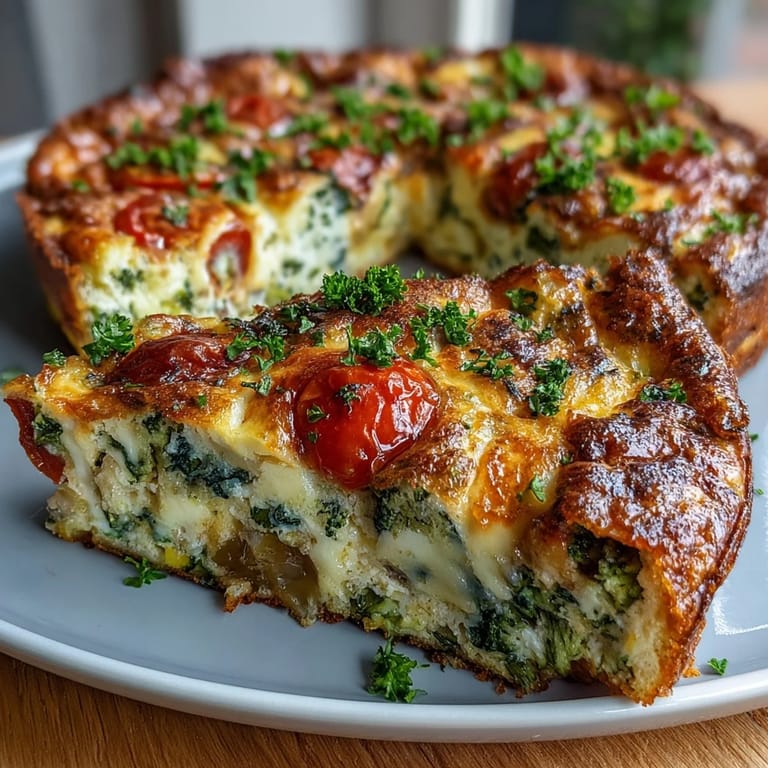
- Transfer the skillet to the oven and bake for 15 to 18 minutes until the center is set but still slightly jiggles when you nudge the pan, and the top is golden brown. The center will continue cooking as it cools, so don't overbake.
- Rest and serve:
- Let it cool for 5 minutes before slicing so the eggs set fully and you get clean wedges instead of scrambled pieces. Serve warm, at room temperature, or even cold the next morning.
 Save
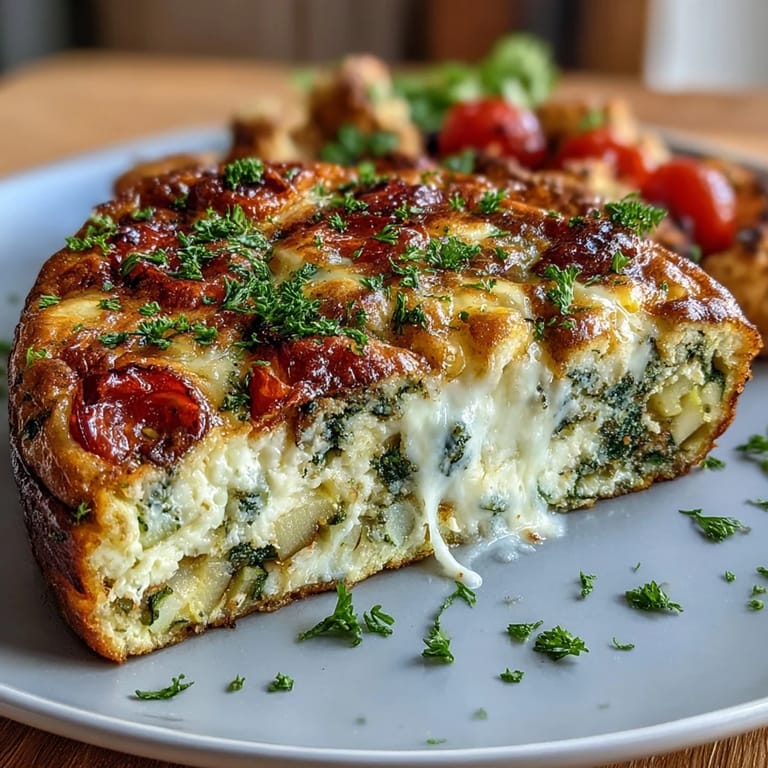
Save My ten-year-old asked to help make this last week and became oddly invested in arranging the vegetables in a pattern before I whisked the eggs. When it came out of the oven, he stood on his tiptoes to see inside the skillet and announced it was the best thing he'd ever helped make, even though he'd mostly just placed tomatoes. That's when I understood that this recipe isn't just efficient, it's also something that draws people in and makes them feel like part of something worth making.
Vegetable Flexibility
The beauty of a frittata is that it forgives substitutions with grace. Spinach wilts into the eggs almost invisibly, mushrooms add an earthy richness, and asparagus brings a spring-like freshness that changes the entire mood of the dish. I've made this with leftover roasted vegetables, fresh market finds, and whatever refused to go bad in my crisper drawer. The core recipe stays the same, but your vegetables tell the story of your season and your kitchen's current state.
Cheese and Dairy Alternatives
If you're making this for someone avoiding dairy, the good news is that the eggs provide structure and richness on their own, so you won't end up with a sad, flat result. Oat milk or cashew cream replaces the cow's milk beautifully, and if you want cheese flavor, nutritional yeast adds a subtle umami depth that works surprisingly well. I've also had success with crumbly feta that hasn't been replaced at all, letting the vegetables shine without the cheese entirely.
Serving and Pairing Ideas
This dish adapts to whatever's on your table or in your mood. A crisp green salad with lemon dressing cuts through the richness, while crusty bread soaks up the slight creaminess left on the plate. I've served it alongside fresh fruit for brunch, with a simple pasta for dinner, and even cold the next day with cucumber slices and hummus for lunch.
- A chilled glass of Sauvignon Blanc brings out the vegetables' natural sweetness if you're in the mood for wine.
- Make it the night before and reheat it gently at 300°F for five minutes if you're feeding a crowd and running late.
- Leftover frittata tastes just as good cold from the fridge, so make extra without guilt.
 Save
Save This frittata has become my kitchen's answer to the question of what's for dinner when nothing else feels right. It asks so little and gives back so much.
Common Questions
- → Can I make this frittata ahead of time?
Yes, this frittata reheats beautifully. Store in the refrigerator for up to 3 days and reheat in the oven at 350°F for 10-15 minutes or microwave individual servings for 1-2 minutes.
- → What vegetables work best in this dish?
Broccoli, bell peppers, zucchini, cherry tomatoes, and onions are excellent choices. You can also substitute spinach, mushrooms, asparagus, or any seasonal vegetables you have on hand.
- → Can I make this dairy-free?
Absolutely. Use dairy-free milk alternatives like almond or oat milk, and either omit the cheese or use your favorite vegan cheese substitute.
- → How do I know when the frittata is done?
The frittata is ready when the center is set and no longer jiggles, and the top is lightly golden. A knife inserted in the center should come out clean.
- → What size skillet should I use?
A 10-inch oven-safe skillet works perfectly for this amount of ingredients. Using a smaller pan will make the frittata thicker and require longer baking time.