 Save
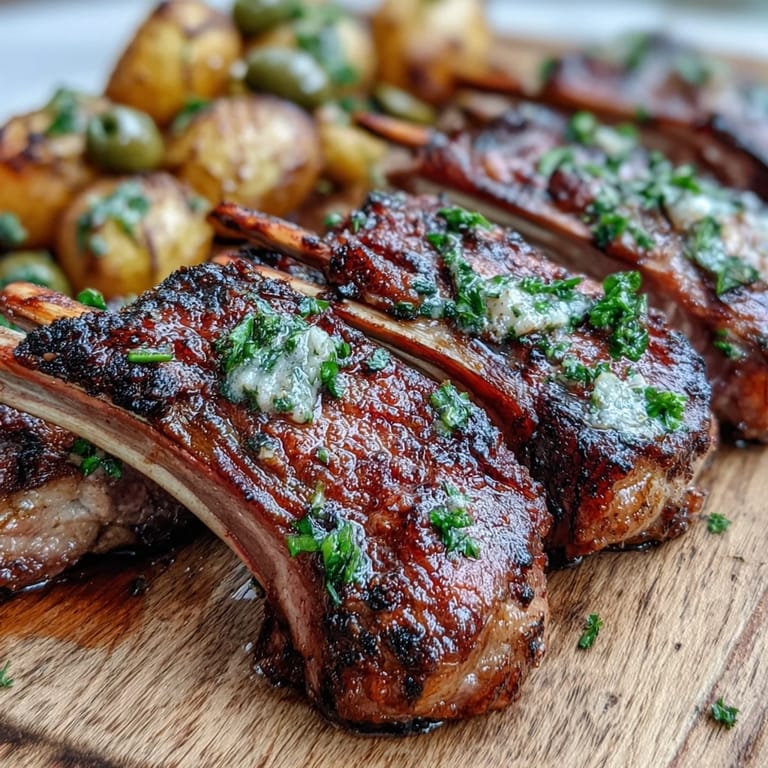
Save The smell of rosemary and garlic hit me before the oven door even closed. I'd bought the rack of lamb on impulse that morning, craving something that felt special without the fuss of multiple pans or complicated sauces. My partner raised an eyebrow when I said I was roasting it with potatoes on the same tray, but the moment those chops came out golden and tender, resting next to crispy olive-flecked potatoes, that skepticism turned into silence, then a quiet wow.
I made this the first Valentine's Day we stayed in instead of fighting for a reservation. Candles on the table, a bottle of Pinot Noir, and the house smelling like a French countryside kitchen. We ate slowly, pulling apart each chop with our hands, laughing at how fancy we felt in sweatpants. That night taught me that intimacy isn't always about going out, sometimes it's about staying in and making something beautiful together.
Ingredients
- Rack of lamb (500-600 g, Frenched): Ask your butcher to French it for you, it means the bones are cleaned and exposed, making each chop easy to slice and stunning to serve.
- Olive oil (1 tbsp for lamb): This helps the herb rub cling to the meat and creates a beautiful crust as it roasts.
- Dijon mustard (1 tsp): Adds a subtle tang and helps the herbs stick, plus it mellows into a savory glaze in the oven.
- Fresh rosemary (1 tsp, finely chopped): The piney, aromatic note that makes lamb sing, always use fresh if you can.
- Fresh thyme leaves (1 tsp): Earthy and delicate, thyme balances the boldness of rosemary without overpowering the meat.
- Garlic clove (1, minced): One clove is enough to perfume the lamb without overwhelming its natural sweetness.
- Salt and black pepper: Season generously, lamb loves a good hit of both.
- Baby potatoes (300 g, halved): Their creamy texture and thin skins crisp up beautifully and need no peeling.
- Extra-virgin olive oil (2 tbsp for potatoes): The richer the oil, the better the golden crust on those potatoes.
- Smoked paprika (1/2 tsp): Adds a whisper of smokiness that makes the potatoes taste like they've been kissed by fire.
- Dried oregano (1/2 tsp): Brings a Mediterranean warmth that ties the whole dish together.
- Sea salt and black pepper: For the potatoes, use flaky sea salt if you have it for a little crunch.
- Green olives (60 g, pitted and halved): Briny, bright, and essential, they cut through the richness of the lamb and potatoes.
- Fresh parsley (1 tbsp, chopped): A fresh, grassy note that wakes up the whole plate at the end.
- Lemon zest (1/2 lemon): The oils in the zest add brightness without any acidity, just pure citrus perfume.
- Capers (1 tsp, drained, optional): If you love a salty, tangy punch, these little bursts are magic with olives.
Tired of Takeout? 🥡
Get 10 meals you can make faster than delivery arrives. Seriously.
One email. No spam. Unsubscribe anytime.
Instructions
- Preheat and prep your tray:
- Set your oven to 220°C (430°F) and line a baking tray with parchment or foil. This high heat is what gives you that gorgeous crust on the lamb and crispy edges on the potatoes.
- Season the potatoes:
- Toss the halved baby potatoes with olive oil, smoked paprika, oregano, sea salt, and pepper in a bowl until every piece is coated. Spread them on one side of the tray, cut side down for maximum crispiness.
- Rub the lamb:
- Pat the rack of lamb completely dry with paper towels, moisture is the enemy of a good crust. Mix olive oil, Dijon, rosemary, thyme, garlic, salt, and pepper in a small bowl, then massage it all over the lamb, getting into every crevice.
- Arrange on the tray:
- Place the lamb fat side up on the other side of the tray, keeping it separate from the potatoes so they roast evenly. The fat will render and baste the meat as it cooks.
- Roast together:
- Slide the tray into the oven and roast for 25 minutes for medium-rare (internal temp around 54°C or 130°F). Halfway through, flip the potatoes with tongs so they brown on both sides.
- Make the olive mix:
- While everything roasts, stir together the green olives, parsley, lemon zest, and capers in a small bowl. The lemon zest will release its oils and perfume the olives beautifully.
- Rest the lamb:
- Pull the tray from the oven, tent the lamb loosely with foil, and let it rest for 8 to 10 minutes. This allows the juices to redistribute so every bite is tender and juicy.
- Toss the potatoes:
- Scatter the olive mixture over the hot potatoes and toss gently. The heat will bloom the parsley and meld all those bright, salty flavors.
- Slice and serve:
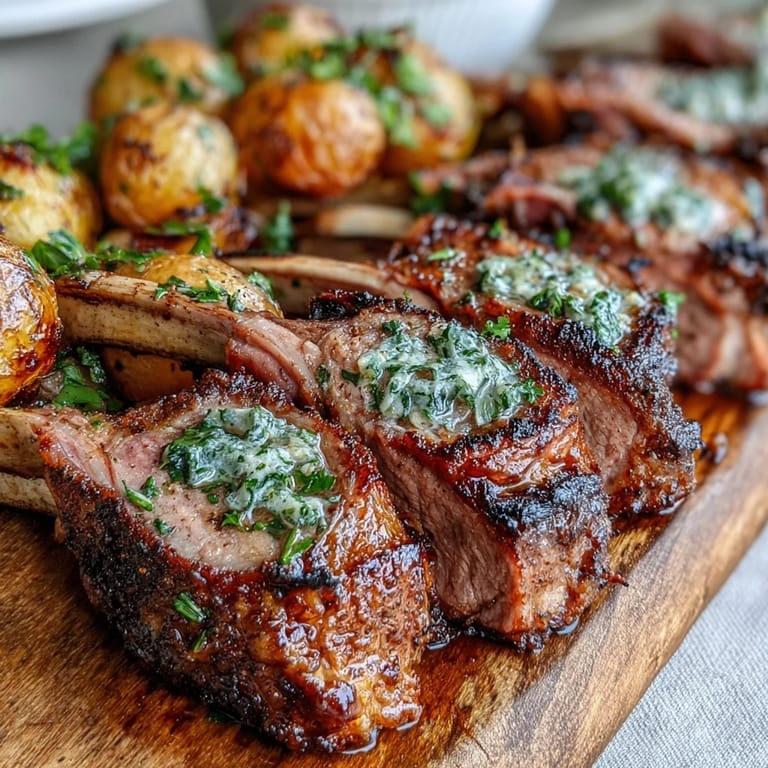
- Use a sharp knife to cut between the bones into individual chops. Plate them alongside the olive potatoes, and pour yourself that glass of wine you've been eyeing.
 Save
Save The first time I served this, my partner looked at the plate and said it looked like something from a cookbook cover. We'd been together five years by then, but that night felt new, like we were rediscovering what it meant to slow down and savor something. The lamb was gone in minutes, but we stayed at the table long after, finishing the wine and talking about nothing and everything.
Choosing Your Lamb
I used to be intimidated by buying lamb, worried I'd pick the wrong cut or pay too much for something I'd ruin. Then a butcher told me to look for racks that are evenly marbled with a layer of creamy white fat on top, that fat is flavor. Ask for a Frenched rack, which means the bones are already cleaned and trimmed, saving you time and giving you that elegant presentation. If you can, buy from a butcher who knows their supplier, the quality difference is noticeable in both tenderness and taste.
Timing and Doneness
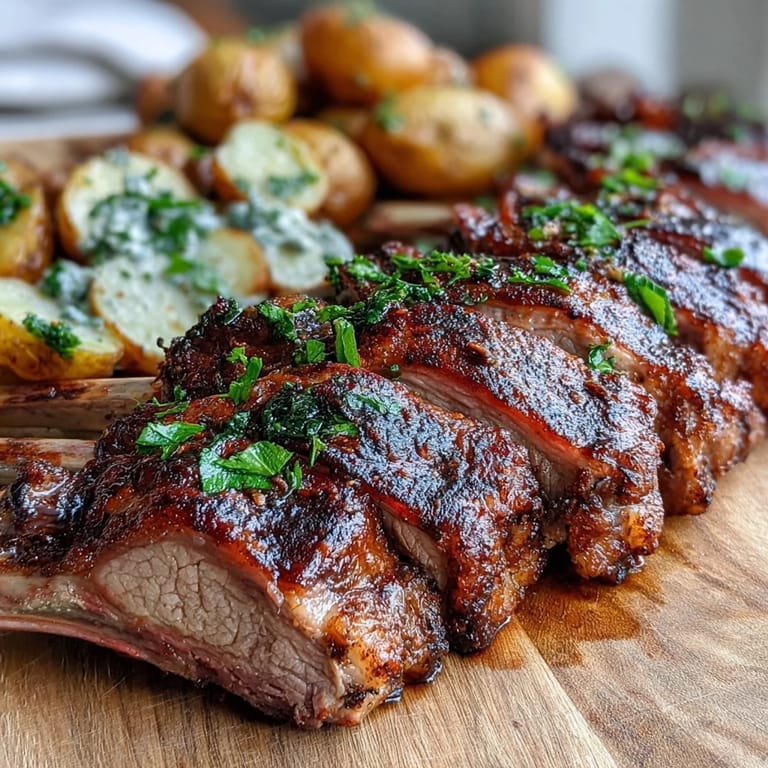
Lamb is one of those meats that rewards you for paying attention. At 25 minutes and 54°C internal temperature, you'll get a blushing pink center that's tender and juicy. If you prefer medium, aim for 60°C and add 3 to 5 minutes of roasting time. I learned the hard way that lamb keeps cooking as it rests, so pull it a few degrees before your target and let carryover heat finish the job. A digital thermometer inserted between two ribs without touching bone is your best friend here.
Serving and Pairing
This dish doesn't need much beside it, the lamb and potatoes are a complete meal on their own. But if you want to round it out, a simple arugula salad with lemon vinaigrette or some crusty bread to soak up any pan juices works beautifully. We always open a bottle of light red wine, Pinot Noir or Grenache, something fruity and not too heavy that complements the herbs without competing with the lamb.
- Garnish with extra fresh herbs like thyme or parsley for a pop of color and aroma.
- Drizzle a little extra virgin olive oil over the lamb just before serving for a glossy finish.
- Leftovers (if you have any) make an incredible next-day sandwich with arugula and a smear of Dijon.
 Save
Save This recipe has become our go-to for nights when we want to feel like we're celebrating something, even if it's just a Tuesday. There's magic in a meal that tastes this good but leaves you with only one pan to wash.
Common Questions
- → What internal temperature should I cook the lamb to?
For medium-rare, cook the lamb to an internal temperature of 54°C (130°F). For medium, aim for 60°C (140°F), and for well-done, cook to 65°C (150°F). Always use a meat thermometer for accuracy.
- → Can I prepare the lamb ahead of time?
Yes, you can marinate the lamb with the herb-mustard rub up to 4 hours in advance. Cover and refrigerate until ready to roast. This actually enhances the flavor penetration.
- → What can I substitute for green olives?
Black olives, Kalamata olives, or even sun-dried tomatoes work well as alternatives. Each will bring a slightly different flavor profile to the potatoes.
- → Why should I let the lamb rest after cooking?
Resting allows the juices to redistribute throughout the meat, ensuring each chop is moist and tender. Tenting with foil keeps it warm while preventing overcooking.
- → Can I scale this for more servings?
Absolutely. Use a larger rack of lamb or multiple racks, and increase the potato quantity proportionally. You may need a second baking tray to ensure everything roasts evenly without crowding.
- → What wine pairs best with this dish?
A light to medium-bodied red wine works beautifully. Try Pinot Noir, Grenache, or a Côtes du Rhône. The fruity notes complement the lamb while balancing the briny olives.